
Organising live music nights in London presents genuine challenges for event planners navigating licensing, artist booking, and promotion. Many organisers struggle with legal requirements, venue logistics, and attracting sufficient audiences to create the vibrant atmosphere they envision. This comprehensive guide walks you through proven, step-by-step solutions covering licensing, timeline planning, artist booking, technical preparation, marketing, and success measurement. Following these strategies will enable you to host memorable, compliant live music events that resonate with London’s professional audiences.
Table of Contents
- Prerequisites: Legal Requirements And Licensing
- Step 1: Planning And Timeline Setup
- Step 2: Artist Selection And Booking
- Step 3: Technical And Venue Preparation
- Step 4: Marketing And Promotion
- Common Mistakes And Troubleshooting
- Expected Results And Measuring Success
- Frequently Asked Questions
Key takeaways
| Point | Details |
|---|---|
| Licensing prevents cancellations | Securing proper licences prevents 30% of event cancellations or fines in London. |
| Early booking matters | Booking artists 3 to 6 months ahead increases success rates by 75%. |
| Marketing drives attendance | Combining paid social ads and email invitations lifts attendance by 60%. |
| Sound checks reduce problems | Thorough sound checks halve live performance technical problems. |
| Regular events boost footfall | Weekly live music nights can boost venue footfall by 25%. |
Prerequisites: legal requirements and licensing
Before you start planning any live music night in London, you must secure the proper legal licences and understand compliance requirements. Not securing licences causes 30% of cancellations or fines among London live music events, making this your first priority.
You need two essential licences to operate legally. First, obtain a PRS for Music licence covering the public performance of copyrighted music at your venue. Second, secure a Public Entertainment Licence from your local London borough council, which authorises you to host live performances. Both licences require advance applications, often taking several weeks for approval.
London enforces strict noise regulations that vary by borough and time of day. Evening events typically face stricter limits, with violations resulting in fines averaging £1,500 and potential event shutdowns. Contact your local council’s environmental health department to understand specific decibel limits and permitted hours for your venue location.
Key licensing requirements include:
- Verify your venue meets capacity limits and fire safety standards before booking performers
- Ensure adequate public liability insurance covers live entertainment activities
- Display all required licences prominently at the venue entrance
- Submit licence applications at least 8 weeks before your planned event date
- Maintain records of all licensing documentation for council inspections
Planning your licensing timeline early prevents last minute stress and ensures you operate within legal boundaries. Many first time organisers underestimate the application processing time, leading to rushed preparations or postponed events.
Step 1: planning and timeline setup
With licensing requirements understood, you need a realistic timeline and budget framework to prepare thoroughly. Start planning at least 3 months before your intended event date to allow sufficient time for every stage from artist booking through final promotion.
Set a realistic budget early in your planning process. Typical 4 hour live music events in London cost between £2,000 and £5,000, depending on artist fees, venue size, and technical requirements. Break down your budget into clear categories: artist fees typically consume 40 to 50%, sound equipment and technical support take 20 to 25%, marketing absorbs 15 to 20%, and contingency reserves should hold 10 to 15%.
Define clear event goals before making any bookings. Ask yourself what atmosphere you want to create and which audience segments you aim to attract. For London professional audiences, consider after work timing and genres that encourage socialising rather than silent listening. Your goals directly influence every subsequent decision from artist selection to marketing messaging.
Create a detailed planning schedule tracking key milestones:
- Months 3 to 4: Secure licences, confirm venue availability, establish budget
- Months 2 to 3: Book artists, arrange sound equipment, finalise technical requirements
- Month 1 to 2: Launch marketing campaigns, send invitations, manage RSVPs
- Final 2 weeks: Confirm all bookings, conduct sound checks, brief staff
- Event week: Final promotions, last minute logistics, contingency planning
Pro Tip: Build buffer time into each planning stage to handle unexpected delays like licensing approvals taking longer than anticipated or preferred artists becoming unavailable.
Your timeline should remain flexible enough to accommodate changes whilst maintaining clear deadlines for critical tasks. Regular review meetings with your team help identify potential issues early and keep everyone aligned on priorities.
Step 2: artist selection and booking
With your timeline and budget established, focus on securing performers who match your venue atmosphere and target audience. Booking artists 3 to 6 months in advance increases success rates by 75%, giving you access to quality performers and better negotiating positions.
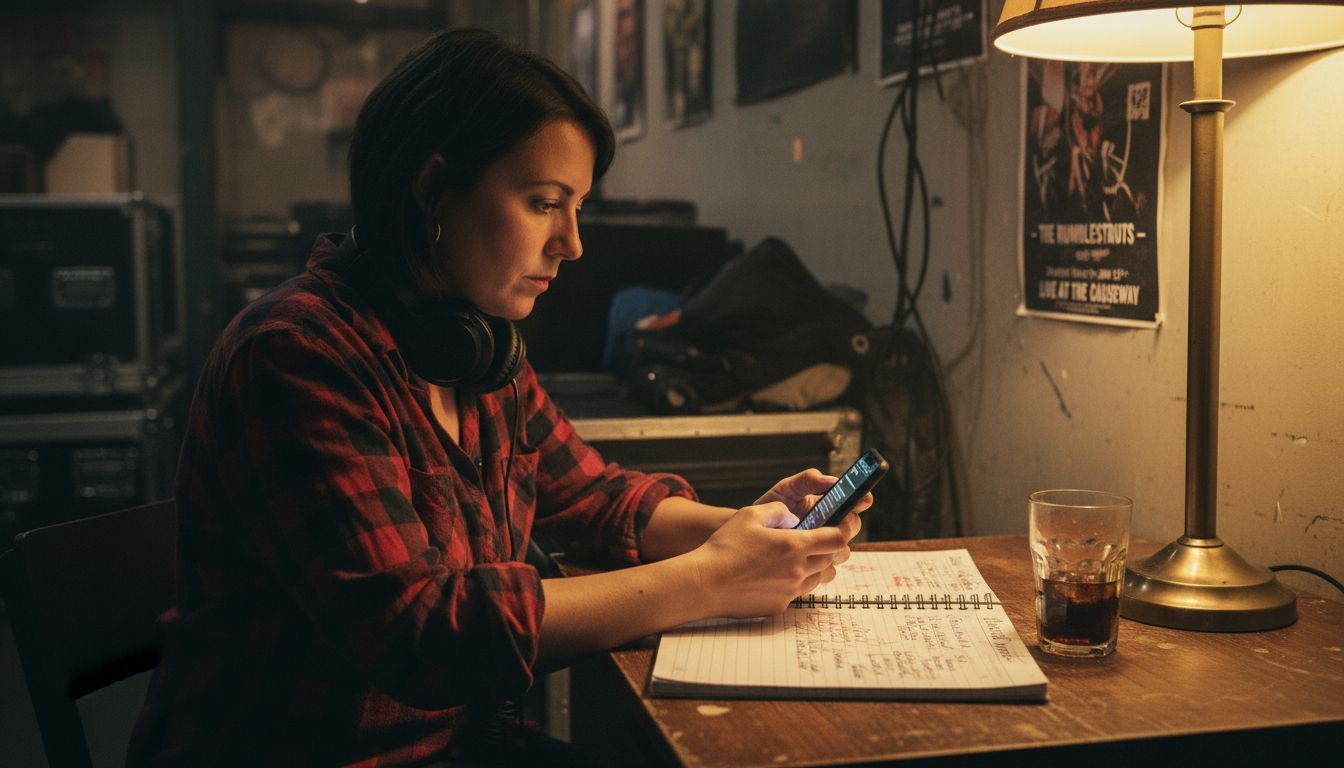
Start your artist search by identifying local bands and musicians whose style fits your event concept. London offers diverse talent across genres from jazz and acoustic to electronic and indie rock. Research performers through live music platforms, attend other venues’ nights to scout talent, and ask industry contacts for recommendations. Focus on acts that encourage audience engagement rather than passive listening, as this creates the vibrant atmosphere professional audiences seek.
Clear contracts protect both parties and prevent misunderstandings. Your artist agreement should specify performance duration, set times, total fees including deposit schedules, technical requirements for sound and lighting, load in times, and cancellation policies. Request riders detailing equipment needs, stage space requirements, and any hospitality expectations. Negotiate payment terms that protect your investment whilst respecting artists’ need for security deposits.
Building relationships with performers and booking agencies creates advantages for future events. Artists who enjoyed working at your venue become reliable repeat bookings, whilst agencies prioritise venues with professional reputations. Maintain a database of successful performers including contact details, performance notes, and audience feedback to streamline future booking processes.
Key booking strategies include:
- Verify artist availability through direct communication rather than assuming dates are open
- Request audio samples and recent performance videos to assess quality and style fit
- Negotiate inclusive packages covering sound equipment if artists travel with their own gear
- Confirm load in times work within your venue’s operational schedule
- Document all agreements in writing before transferring any deposits
Pro Tip: Include a clear cancellation policy in your contract allowing either party to withdraw with reasonable notice whilst protecting deposits already paid.
The benefits of live music in London extend beyond entertainment, creating emotional connections that drive live music entertainment satisfaction and repeat attendance. Select artists who understand this dynamic and actively engage audiences during performances.
Step 3: technical and venue preparation
Following artist confirmation, prepare your venue’s technical infrastructure and brief your team to deliver seamless performances. Professional sound quality makes the difference between memorable experiences and disappointing events that audiences avoid repeating.
Invest in quality sound equipment suited to your venue size and acoustic properties. Hire professional PA systems if your venue lacks permanent installation, ensuring speakers, microphones, mixing desks, and monitors meet artist specifications. Poor audio ruins even talented performances, whilst excellent sound elevates average acts into crowd pleasers.
Schedule comprehensive sound checks at least 2 hours before doors open. This window allows technical staff to identify and resolve issues with equipment connections, sound levels, feedback loops, and monitor mixes. Artists need time to adjust to your venue’s acoustics and fine tune their setup. Skipping sound checks causes 50% more technical problems during live shows, disrupting performances and frustrating audiences.
Arrange your stage layout to optimise both performer space and audience sightlines. Position equipment to prevent obstructions whilst allowing artists freedom of movement. Consider lighting that enhances atmosphere without overwhelming the space or creating harsh shadows. The importance of venue setup influences how audiences perceive both performers and your venue’s overall quality.
Key preparation tasks include:
- Test all equipment connections and power supplies well before artist arrival
- Provide adequate stage space for bands to set up comfortably without overcrowding
- Brief hospitality staff on their roles managing crowd flow and serving during performances
- Train security personnel on capacity management and noise complaint procedures
- Verify emergency exits remain clear and accessible throughout the event
Ensure your venue complies with capacity limits and safety regulations. Overcrowding creates safety hazards and potential licence violations, whilst adequate space enhances audience comfort and enjoyment. Position staff strategically to monitor entry points, assist with queries, and respond quickly to any issues arising during performances.
Step 4: marketing and promotion
With your venue prepared, focus on attracting your target audience through strategic marketing. Combining paid social media advertising with targeted email campaigns maximises reach amongst London’s professional demographic whilst controlling costs.
Social media platforms offer precise targeting capabilities ideal for reaching local professionals. Facebook and Instagram ads allow you to specify location radius around your venue, age ranges, professional interests, and behaviours indicating live music enthusiasm. Allocate 15 to 20% of your total event budget to marketing, typically £300 to £800 for a £2,000 to £5,000 event. Launch campaigns 4 to 6 weeks before your event, increasing ad spend in the final 2 weeks as interest peaks.
Email newsletters reach existing customers and mailing list subscribers with personalised invitations. Segment your list by attendance history, preferences, and engagement levels to craft relevant messages. Include clear event details, artist information, RSVP links, and compelling reasons to attend. Email open rates average 20 to 25% for hospitality venues, with click through rates around 3 to 5%.
Implement RSVP systems to reduce no shows and track confirmed attendance. Free platforms like Eventbrite or Meetup simplify registration whilst providing valuable data on audience demographics and interests. Confirmed RSVPs help you plan staffing levels, beverage inventory, and capacity management. Send reminder emails 1 week and 1 day before the event to confirmed attendees, reducing last minute cancellations.
Engage local professional groups and regular patrons through targeted outreach:
- Partner with nearby offices and business networks to offer group bookings or discounts
- Reach out to professional associations whose members match your target demographic
- Encourage regular customers to bring colleagues by offering referral incentives
- Create shareable social media content featuring artist previews and venue atmosphere
- Post consistent updates building anticipation as the event date approaches
| Promotion channel | Typical cost | Attendance impact | Best timing |
|---|---|---|---|
| Paid social media ads | £200 to £500 | 40 to 50% reach increase | 4 to 6 weeks prior |
| Email newsletters | £0 to £50 | 15 to 20% conversion | 3 to 4 weeks prior |
| RSVP platforms | £0 to £100 | 30% no show reduction | Launch at promotion start |
| Local partnerships | £0 to £200 | 20 to 30% new audience | Ongoing relationship |
| Social media organic | £0 | 10 to 15% existing followers | Weekly leading up |
Pro Tip: Schedule your promotion in phases rather than one big push. Early phase awareness builds interest, mid phase campaigns convert interest to RSVPs, and final phase reminders maximise attendance from confirmed guests.
The marketing of live music events requires understanding what drives attendance decisions. Focus messaging on the experience rather than just the music, emphasising atmosphere, social opportunities, and venue quality alongside artist talent. Promoting live music nights successfully means connecting with audience motivations beyond simple entertainment.
Common mistakes and troubleshooting
After planning your marketing, identify frequent pitfalls that jeopardise live music events and learn practical solutions to avoid failures. Understanding these common errors helps you anticipate problems and implement preventive measures.
Licensing failures remain the most damaging mistake. Not securing correct licences causes 30% of cancellations or fines in London, resulting in lost deposits, disappointed audiences, and damaged reputations. Always verify licensing requirements specific to your borough and submit applications with generous lead time. Keep copies of all licences accessible during events for potential inspections.
Technical preparation shortfalls create poor audience experiences. Skipping sound checks doubles the likelihood of audio problems during performances, from feedback squeals to inadequate volume levels. Allocate sufficient time for thorough technical testing and insist artists participate even if they claim familiarity with the equipment.
Noise regulation violations bring swift consequences. Ignoring local noise rules risks complaints from neighbours, fines averaging £1,500, and potential event shutdown mid performance. Install sound monitoring equipment to track decibel levels in real time and adjust volume before exceeding limits. Establish good relationships with nearby businesses and residents through advance notice of events.
Key mistakes to avoid include:
- Underestimating setup time leading to rushed preparations and stressed staff
- Failing to confirm artist bookings in writing, resulting in disputed terms or no shows
- Neglecting contingency plans for equipment failures or artist cancellations
- Insufficient promotion reducing attendance and event atmosphere
- Overlooking staff briefings causing confusion about roles and responsibilities
Create backup plans for critical elements like artist cancellations or equipment failures. Maintain relationships with backup performers who can fill in on short notice. Keep spare cables, microphones, and basic technical equipment on hand to resolve minor failures quickly. Brief your team on escalation procedures so issues reach decision makers promptly.
Expected results and measuring success
Concluding the planning stages, establish clear benchmarks to evaluate your event’s performance and inform future improvements. Measuring success quantitatively helps you identify strengths to replicate and weaknesses requiring adjustment.
Typical well executed live music nights see a 25% increase in venue footfall compared to non event evenings. Track attendance through door counts, RSVP confirmations versus actual turnout, and compare against your usual customer traffic. Higher attendance indicates effective marketing and appealing programming, whilst lower numbers signal needed improvements in promotion or artist selection.
Budget performance provides financial success indicators. Events costing between £2,000 and £5,000 should allow a 10% variance as acceptable, with actual spending ideally tracking within £200 to £500 of projections. Calculate revenue through increased beverage sales, cover charges if applicable, and any private hire fees. Successful events typically generate 150 to 200% of their costs in additional revenue, making them profitable investments in venue atmosphere and customer loyalty.
Customer satisfaction directly impacts repeat attendance and word of mouth promotion. Hospitality staff training improves customer satisfaction by 30%, as knowledgeable, attentive service enhances the overall experience beyond just the music. Gather feedback through brief post event surveys, social media comments, and direct conversations with attendees. Monitor metrics like social media engagement rates, review site ratings, and mailing list growth following events.
Regular live music programmes build lasting benefits beyond individual event metrics. Consistent monthly or weekly events establish your venue as a live music destination, creating audience loyalty and brand recognition. Repeat attendees spend more per visit and bring new customers through recommendations, multiplying your marketing effectiveness organically.
| Success metric | Low performing event | High performing event |
|---|---|---|
| Attendance increase | 5 to 10% above normal | 25 to 35% above normal |
| Budget variance | ±15 to 20% | ±5 to 10% |
| Revenue multiple | 100 to 120% of costs | 180 to 250% of costs |
| Customer satisfaction | 60 to 70% positive | 85 to 95% positive |
| Social media engagement | 2 to 3% rate | 8 to 12% rate |
| Repeat attendance rate | 15 to 25% | 45 to 60% |
Track these metrics consistently across events to identify trends and measure improvement over time. Regular assessment helps you refine artist selection, adjust marketing strategies, and optimise operational procedures based on real performance data rather than assumptions.
Discover live music nights and more at The 1 Bar London
After mastering the strategies for arranging successful live music nights, experience the results firsthand at The 1 Bar in London’s financial district. The 1 Bar hosts regular live music nights showcasing talented local performers in an intimate, professionally managed setting that demonstrates every principle covered in this guide.
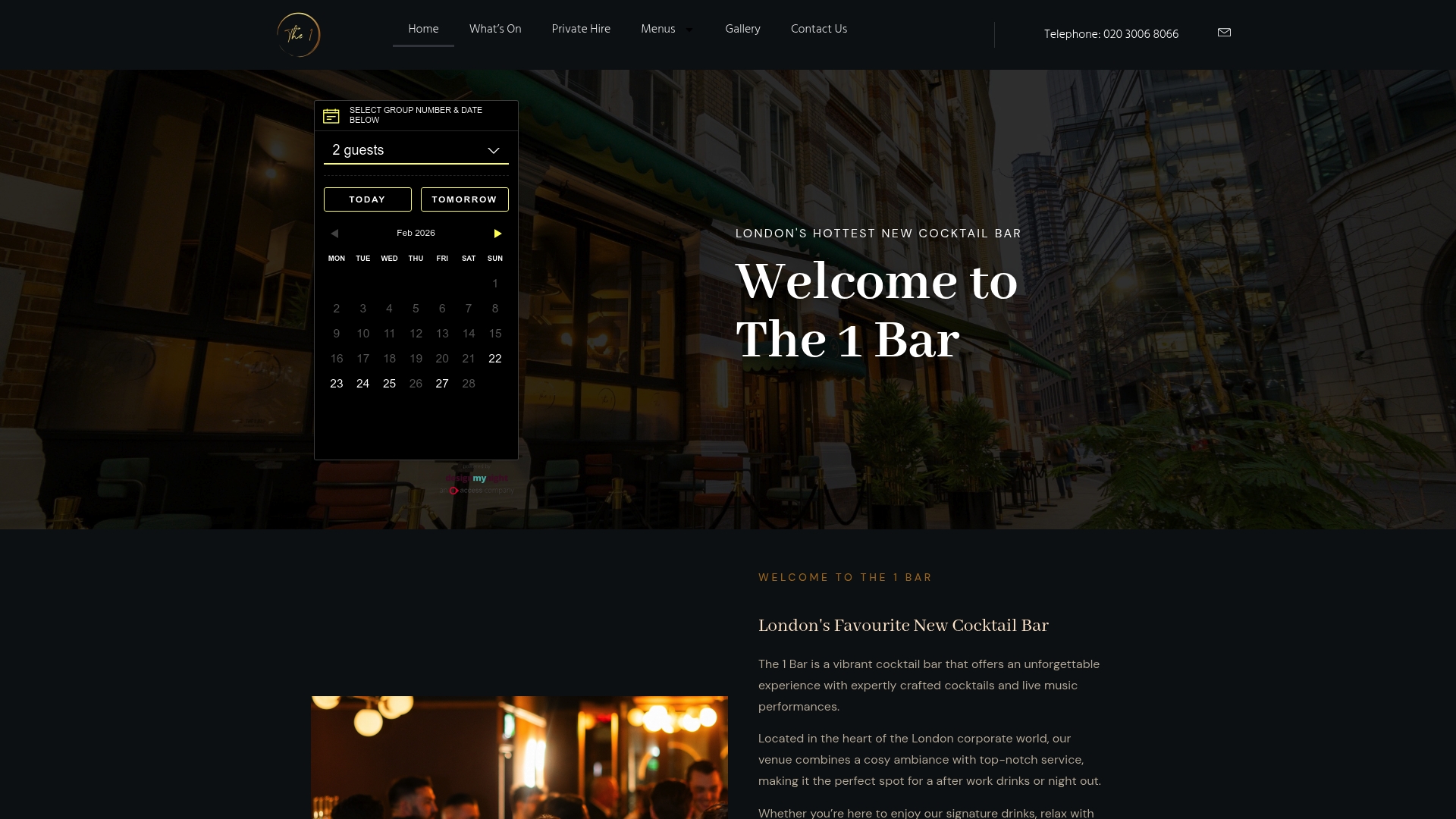
Whether you want to enjoy live entertainment as a guest or explore private hire options for your own bespoke event, The 1 Bar provides the ideal venue. Our spaces accommodate groups seeking memorable musical experiences with professional sound systems, experienced staff, and fully licensed premises handling all compliance requirements. The venue’s central London location at 18 Appold Street attracts local professionals seeking after work relaxation and celebration.
Our expert cocktail mixing complements live performances, creating the vibrant atmosphere that keeps audiences engaged throughout the evening. From acoustic sessions to full band performances, The 1 Bar’s programming illustrates how proper planning, quality artists, and professional execution deliver the successful live music nights detailed throughout this guide.
Frequently asked questions
How early should I book bands for a live music night?
Book artists 3 to 6 months in advance for optimal availability and rates. Early booking secures higher quality performers and provides ample time for marketing and technical preparation.
What licences do I need to hold a live music event in London?
You require a PRS for Music licence covering copyrighted music performance and a Public Entertainment Licence from your local borough council. Submit applications at least 8 weeks before your event to ensure timely approval.
How can I reduce no shows for my live music night?
Implement RSVP systems through platforms like Eventbrite to track confirmed attendance. Send reminder emails 1 week and 1 day before the event, which typically reduces no shows by 30%.
What are typical budget ranges for a 4 hour live music event in London?
Expect to spend between £2,000 and £5,000 depending on artist fees, venue size, and technical requirements. Allocate 40 to 50% for artists, 20 to 25% for sound equipment, 15 to 20% for marketing, and 10 to 15% for contingencies.
How important are sound checks before the event?
Sound checks are essential, reducing technical problems by 50% during live performances. Schedule at least 2 hours before doors open to allow thorough equipment testing and artist adjustments to your venue’s acoustics.