
Planning a night out in London or organising a corporate event often begins with a simple question: what time do bars close? Many visitors and even locals assume there’s a standard closing time across the capital, but the reality is far more complex. London’s bar opening hours operate on what insiders call a ‘postcode lottery’, where licences issued by local authorities determine when venues can serve drinks. Understanding this system helps you choose the right location for your evening, avoid disappointment, and plan events that run smoothly from first cocktail to last orders.
Table of Contents
- Key takeaways
- How London’s bar opening hours are set
- Typical opening and closing hours in London bars
- The postcode lottery and 24-hour licences: London’s nightlife hotspots
- Planning your night out or event using bar opening hours
- Explore London nightlife with the 1 bar
- Frequently asked questions
Key Takeaways
| Point | Details |
|---|---|
| Licence hours vary by borough | Bars in London operate under licences issued by 32 boroughs and the City of London, so closing times differ by location. |
| Weekday closing around 11pm | On weekdays most venues close around 11pm to midnight with last orders typically about 20 minutes before licences expire. |
| Weekend closing later | Fridays and Saturdays see many venues stay open until around 1am or later, depending on the licence. |
| Limited 24 hour licences | Only a small number of bars hold 24 hour licences, mainly in Lambeth and Islington. |
| Postcode lottery | Licence conditions vary by area, so plans should check the specific venue licence rather than assuming central London hours. |
How London’s bar opening hours are set
Bar closing times across London aren’t governed by a single national law with fixed hours. Instead, individual premises licences issued by local authorities determine when each venue can legally serve alcohol and remain open. Each of London’s 32 boroughs plus the City of London operates as a separate licensing authority, reviewing applications and setting conditions based on local policies, community concerns, and the venue’s specific circumstances.
This decentralised system creates what regulators and hospitality professionals term the ‘postcode lottery’. A cocktail bar in Shoreditch might hold a licence permitting service until 3am on Fridays, whilst a similar establishment three miles away in Westminster faces mandatory closure by midnight. The variations extend beyond simple closing times to include conditions about outdoor seating, live music volume, and capacity limits. Borough councils consider factors like residential proximity, transport links, and existing nightlife density when approving licences.
Licensing decisions also distinguish between weekdays and weekends. Most venues secure different permitted hours for Monday to Thursday versus Friday and Saturday, recognising that demand and community tolerance shift across the week. Some boroughs actively encourage vibrant nightlife as part of their economic strategy, whilst others prioritise residential tranquillity. Understanding the role of bars in London’s nightlife reveals how these policy choices shape the capital’s social landscape.
Key factors influencing licence approval include:
- Proximity to residential properties and noise impact
- Existing concentration of licensed venues in the area
- Transport accessibility for safe dispersal of patrons
- Venue’s proposed management of disorder and public safety
- Track record of the applicant and any previous licensing breaches
“The licensing system balances commercial vitality with community wellbeing, but the result is a patchwork of opening hours that can confuse visitors and require careful research when planning nights out or events.”
This framework means you can’t simply assume a bar will be open late because it’s in central London. Even neighbouring venues on the same street might operate under different licence conditions, making advance research essential for anyone coordinating group outings or corporate functions.
Typical opening and closing hours in London bars
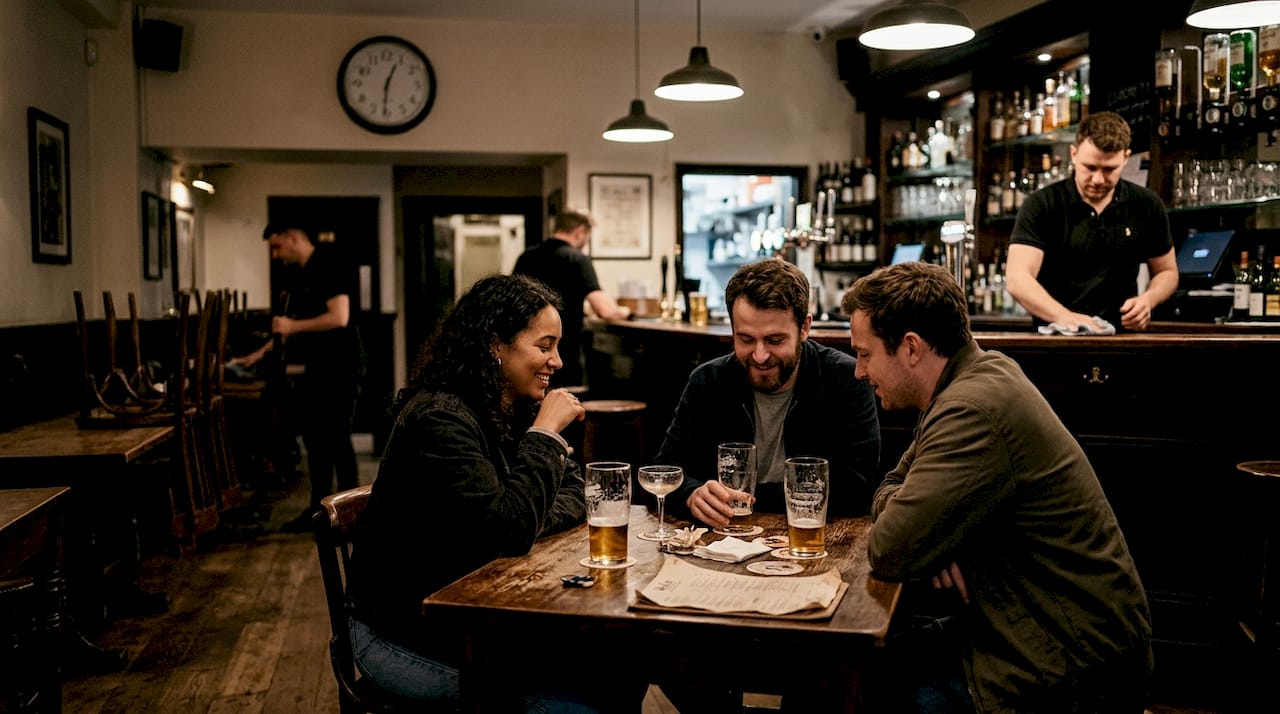
Most London bars follow recognisable patterns despite the licensing variations. During weekdays from Monday to Thursday, typical closing times range from 11pm to midnight, with last orders called around 20 minutes before the licence expires. Traditional pubs in residential areas often close at 11pm, whilst cocktail bars and venues in commercial districts frequently extend to midnight or slightly beyond.
Weekend hours shift considerably later. Friday and Saturday nights see many establishments serving until 1am or 2am, with some securing licences for 3am or even 5am closing. Sunday hours typically mirror weekday patterns, though some venues extend their Saturday licence through to Sunday morning for continuous service. The distinction matters significantly when booking venues for celebrations or corporate events that might run past typical weekday limits.
| Day | Standard opening | Typical closing | Extended licence closing |
|---|---|---|---|
| Monday to Thursday | 11am or 12pm | 11pm to midnight | 1am to 2am |
| Friday | 11am or 12pm | Midnight to 1am | 2am to 3am |
| Saturday | 11am or 12pm | Midnight to 2am | 3am to 5am |
| Sunday | 12pm | 11pm to midnight | 1am |
Last orders timing creates a crucial planning consideration. When a venue holds a midnight licence, expect the bar to stop serving around 11:40pm, giving patrons 20 minutes to finish drinks before the premises must close. This legal requirement prevents rushed drinking and supports orderly closure, but it catches out visitors unfamiliar with the practice. Arriving at 11:30pm for ‘one last drink’ at a midnight-closing venue means you’ve already missed service.
Pro Tip: When organising events at cocktail bars, confirm both the licence closing time and the last orders policy. Many venues require private hire bookings to conclude service 30 minutes before licence expiry to allow proper close-down procedures, which can affect your event timeline.
Special licences permit some venues to operate well beyond these standard hours. Nightclubs and dedicated late-night bars apply for extended permissions, particularly in entertainment districts like Soho, Shoreditch, and Camden. However, securing these licences requires demonstrating robust management plans and often involves conditions about security, noise control, and patron dispersal that smaller venues cannot meet.
The variation means checking specific venue details before finalising plans. A bar’s website typically displays opening hours, but calling ahead confirms any temporary variations, private bookings that might affect public access, or seasonal changes to the licence. This diligence proves especially valuable for corporate event organisers who need certainty about timing.
The postcode lottery and 24-hour licences: London’s nightlife hotspots
The concentration of late-night licences reveals stark geographical patterns across London. Currently, only 58 venues hold 24-hour licences, down from 91 in 2010, with the majority clustered in just two boroughs. Lambeth hosts over 30 of these venues, whilst Islington accounts for approximately 10 more. This concentration creates distinct nightlife zones where truly round-the-clock entertainment exists, contrasting sharply with areas where midnight closures dominate.
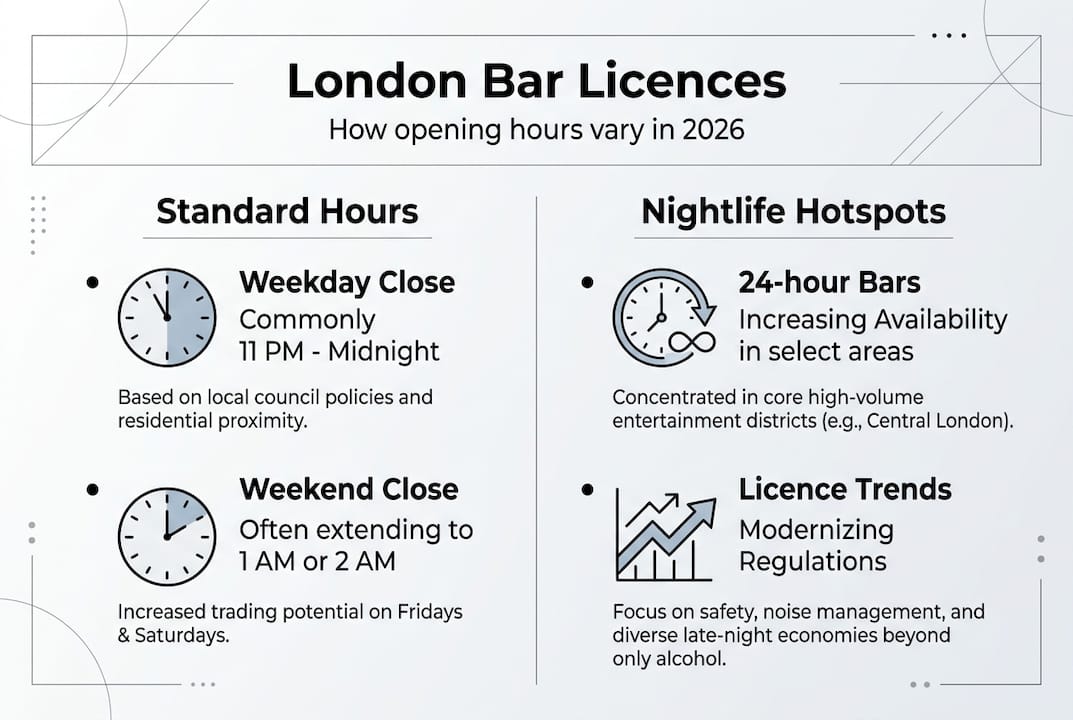
Westminster, despite being home to the West End and Soho’s famous nightlife, operates a ‘core hours’ policy that restricts new licence applications. The policy mandates closure by 11:30pm on weekdays and midnight on Fridays and Saturdays for most venues, with exceptions requiring special justification. This approach aims to balance the area’s dual role as an entertainment destination and residential community, but it limits options for those seeking very late openings in central locations.
| Borough | 24-hour venues | Typical weekend closing | Policy approach |
|---|---|---|---|
| Lambeth | 30+ | 3am to 24 hours | Liberal licensing |
| Islington | ~10 | 2am to 24 hours | Supportive of night economy |
| Westminster | Very few | Midnight | Core hours restrictions |
| Tower Hamlets | Limited | 1am to 2am | Balanced approach |
| Camden | Moderate | 2am to 3am | Entertainment focus |
The decline in 24-hour licences reflects broader trends in London’s nightlife economy. Rising property values, noise complaints from new residential developments, and increased operating costs have made continuous operation less viable for many venues. Boroughs also face pressure from residents to limit late-night activity, leading some authorities to tighten licensing policies even in traditionally liberal areas.
Understanding these patterns helps target your venue search effectively. If your event requires certainty of late service or you’re planning a night out that might extend past 2am, focusing on Lambeth and Islington venues increases your options significantly. Conversely, booking in Westminster or areas with strict core hours policies means accepting earlier conclusions or arranging transport to move groups to late-opening districts.
Pro Tip: The benefits of bar location in London extend beyond opening hours to include transport links, nearby amenities, and the character of surrounding nightlife, all of which influence guest experience.
Geographical knowledge transforms from interesting trivia to practical necessity when coordinating corporate events or celebrations. A venue’s postcode immediately signals likely licence restrictions, helping you shortlist appropriate options before detailed enquiries. This efficiency matters particularly for event organisers working to tight deadlines or managing multiple stakeholder preferences about timing and location.
Planning your night out or event using bar opening hours
Applying knowledge of licensing patterns and opening hours transforms from theoretical understanding to practical advantage when selecting venues. Whether organising a casual evening or a structured corporate event, typical operating hours and licensing details influence timing and venue choice, particularly for cocktail bars where ambiance and service quality matter as much as the drinks themselves.
Follow these steps for effective venue selection:
- Identify your required timeframe, including arrival, peak activity, and desired departure
- Research borough licensing policies for your preferred areas
- Shortlist venues with licences extending at least 30 minutes beyond your planned finish
- Confirm last orders timing to ensure service throughout your event
- Verify any conditions on the licence that might affect your plans
- Book early for popular venues, especially weekends in liberal licensing boroughs
Location choice carries multiple implications beyond simple closing times. A Shoreditch cocktail bar with a 3am licence offers flexibility for events that might overrun, whilst a City venue closing at midnight suits structured corporate functions with defined schedules. The surrounding area’s character also matters; late-closing venues in entertainment districts provide onward options for guests wanting to continue their evening, whilst those in quieter areas require arranged transport.
Private hire arrangements offer significant advantages for predictable timing. When you book exclusive use of a venue, you typically negotiate specific service hours within the licence parameters, eliminating uncertainty about public customers affecting your event flow. Many cocktail bars provide dedicated event coordinators who manage timing, service pace, and smooth transitions between event phases. This control proves invaluable for corporate functions where professionalism and schedule adherence matter.
Considerations for cocktail bar selection include:
- Licence closing time and whether it accommodates your full event duration
- Last orders policy and how it affects your planned service schedule
- Flexibility for private hire arrangements if you need guaranteed access
- Borough location and its typical licensing approach
- Transport links for guest arrival and departure
- Backup venues in case your first choice cannot accommodate timing needs
Pro Tip: When hosting events in cocktail bars for networking, schedule peak networking time at least 90 minutes before last orders to ensure guests can obtain drinks and engage in meaningful conversations without service pressure.
Seasonal variations occasionally affect opening hours. Some venues extend summer licences to capitalise on longer evenings and tourist demand, whilst others reduce winter hours when trade slows. Bank holidays and major events like New Year’s Eve often see special licence extensions, but these require advance application and aren’t guaranteed. Checking current hours rather than relying on previous visits prevents disappointment.
The investment in research pays dividends through smoother events and more enjoyable nights out. Understanding that a venue’s midnight closure means 11:40pm last orders helps you pace the evening appropriately. Knowing which boroughs offer late licences lets you choose locations that match your group’s preferences. This knowledge transforms London’s complex licensing landscape from a frustrating obstacle into a navigable system that enhances rather than restricts your social and professional activities.
Explore London nightlife with the 1 bar
Navigating London’s varied bar opening hours becomes simpler when you choose venues that understand the licensing landscape and cater specifically to professionals and visitors seeking quality experiences. The 1 Bar combines expertly crafted cocktails with live music every day, creating an atmosphere that suits both casual drinks and structured corporate events. Located in the heart of London’s financial district, the venue operates within licensing hours designed to serve the professional community’s social needs.
The bar’s private hire options provide the flexibility essential for event organisers who need certainty about timing and service. Whether you’re planning after-work networking, celebrating a milestone, or hosting clients, dedicated event coordination ensures your function runs smoothly within the venue’s licensed hours. The combination of location, ambiance, and professional service makes The 1 Bar an ideal choice for those seeking reliable, high-quality nightlife experiences. Discover why events in cocktail bars offer superior networking opportunities compared to traditional corporate venues.
Frequently asked questions
What time do most London bars close on weekdays?
Most London bars close between 11pm and midnight on weekdays, with last orders called approximately 20 minutes before the licence expires. Traditional pubs in residential areas typically close at 11pm, whilst cocktail bars and venues in commercial districts often extend to midnight. Some establishments in boroughs with liberal licensing policies hold permissions for 1am or 2am closing even on weeknights, though these remain exceptions rather than the norm.
Why do bar opening hours vary across London?
Bar opening hours vary because local authorities issue individual premises licences rather than following a single national closing time. Each of London’s boroughs operates as a separate licensing authority, setting policies based on local priorities, community concerns, and the specific circumstances of each venue application. This decentralised system creates the ‘postcode lottery’ effect, where neighbouring boroughs might have significantly different approaches to late-night licensing, resulting in varied closing times across the capital.
How many bars in London have a 24-hour licence?
Currently, only 58 venues hold 24-hour licences, down from 91 in 2010. The majority concentrate in Lambeth, which hosts over 30 such venues, and Islington, with approximately 10. This decline reflects economic pressures, increased residential development near entertainment districts, and some boroughs tightening licensing policies in response to community concerns about late-night activity.
What should I consider when booking a cocktail bar for an event?
When booking a cocktail bar, consider the venue’s licence closing time, last orders policy, and any conditions that might affect your event schedule. Verify the licence extends beyond your planned finish time by at least 30 minutes to accommodate service and guest departure. Check whether the venue offers private hire, which provides greater control over timing and service flow. Location matters for guest transport and whether surrounding nightlife offers onward options. Finally, confirm the venue’s experience with events in cocktail bars for networking or corporate functions to ensure professional event management.