
TL;DR:
- Planning City events requires early booking, often 6-12 months ahead, due to high demand.
- Venue choice depends on capacity, location, accessibility, and support services like catering and AV.
- Clear communication with dedicated coordinators and thorough logistical planning ensure a successful City private hire event.
Organising a private hire event in London’s financial district sounds straightforward until you’re three weeks in and still unclear on minimum guest numbers, licensing requirements, and whether your chosen venue even has decent Wi-Fi. The reality is that City venues are competitive, requirements vary wildly, and peak periods fill up faster than most professionals expect. Whether you’re planning an after-work celebration for twenty colleagues or a corporate dinner for two hundred, the workflow matters enormously. This guide cuts through the confusion and walks you through every stage, from assessing your venue options to confirming final details, so your event lands exactly as planned.
Table of Contents
- Assess venue options and requirements
- Prepare for booking: timing, guest numbers and approvals
- Navigate logistics: transport, accessibility and hybrid needs
- Confirm event details: packages, licensing and flexibility
- What most guides miss about private hire success in the City
- Find your ideal private hire venue with The 1 Bar
- Frequently asked questions
Key Takeaways
| Point | Details |
|---|---|
| Venue selection clarity | The best venues combine convenient locations, flexible capacities, and strong support teams. |
| Book early | Advance booking—at least 6 months—is crucial during busy periods for top venues. |
| Logistics mastery | Plan transport, accessibility, and hybrid needs in detail to avoid last-minute issues. |
| Check details carefully | Confirm event packages, licensing, and cancellation terms with coordinator support before finalising. |
| Expert help matters | Dedicated coordinators and expert advice make all the difference for memorable events. |
Assess venue options and requirements
The financial district offers a genuinely impressive range of private hire spaces, but understanding what each type delivers before you start enquiring will save you considerable time and frustration.
The three main categories worth knowing are historic livery halls, modern event spaces, and vibrant after-work venues. Livery halls like Haberdashers’ Hall bring grandeur and heritage, often accommodating up to 1,200 guests with full catering and AV infrastructure built in. Modern event spaces, typically found in newer City towers, lean towards flexible floor plans and tech-forward setups. After-work venues, including cocktail bars and private dining rooms, suit smaller, more intimate gatherings where atmosphere matters as much as logistics.
When comparing your after-work venue options, consider these key factors:
- Capacity: Does the venue comfortably fit your guest count without feeling empty or overcrowded?
- Location: Is it within walking distance of a major station such as Liverpool Street, Moorgate, or Bank?
- Accessibility: Are there step-free entrances, lifts, and accessible facilities for all guests?
- Event support: Does the venue provide a dedicated coordinator, or are you largely self-managing?
- Catering and AV: Are these in-house or do you need to source external suppliers?
Here is a quick comparison of the main venue types:
| Venue type | Typical capacity | AV included | Catering | Best suited for |
|---|---|---|---|---|
| Livery hall | 100 to 1,200 | Yes | In-house | Formal dinners, galas |
| Modern event space | 50 to 500 | Yes | Flexible | Conferences, launches |
| Cocktail bar / private hire | 20 to 200 | Varies | Bar packages | After-work, celebrations |
Understanding booking private hire requirements early also helps you avoid surprises. Some venues insist on approved supplier lists, minimum spend commitments, or specific insurance documents before they’ll even send a contract. Check private hire requirements carefully so you know exactly what’s expected before you commit.
Prepare for booking: timing, guest numbers and approvals
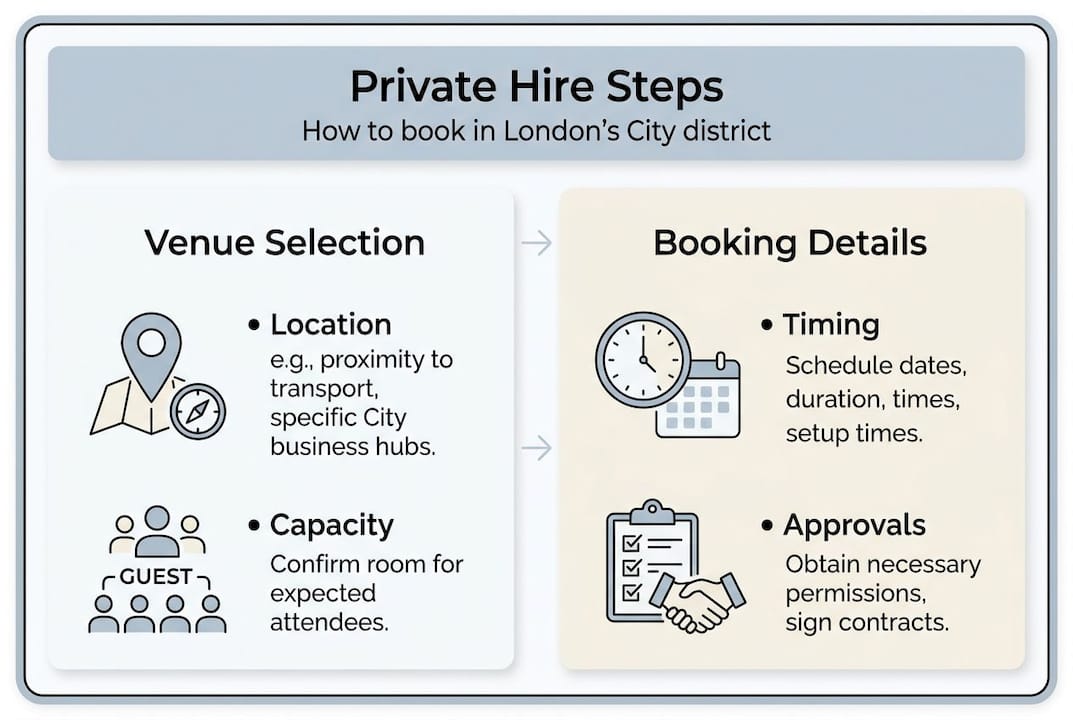
Once you’ve chosen a venue type, preparation becomes your most valuable asset. The City events calendar is busier than most people realise, and booking 6-12 months ahead is genuinely crucial during peak periods such as financial results season, the festive run-up, and major industry conferences.
Here’s a practical timeline to work from:
- Twelve months out: Identify your preferred venue and check availability for your target dates.
- Nine months out: Request provisional holds and review package options.
- Six months out: Confirm guest numbers, sign contracts, and pay any required deposits.
- Three months out: Finalise catering, AV requirements, and any external suppliers.
- One month out: Send final guest numbers, confirm run-of-show, and check all logistics.
- One week out: Reconfirm everything in writing with your event coordinator.
Guest numbers are often where plans unravel. Some City venues set firm minimums, particularly on high-demand nights. Thursdays, for instance, frequently carry a minimum of 100 guests at popular spaces. Falling short of that threshold can mean losing your booking or facing unexpected charges.
Approvals matter too. Many venues maintain approved supplier lists for catering, entertainment, and AV. If you plan to bring in an external DJ or a specific caterer, confirm early whether they’re permitted. Your private hire booking guide should include a checklist that covers this.
Pre-booking checklist:
| Item | Status |
|---|---|
| Confirmed guest count | ✓ |
| Venue availability checked | ✓ |
| Supplier approval confirmed | ✓ |
| Insurance documents ready | ✓ |
| Deposit payment arranged | ✓ |
Pro Tip: Always request a provisional hold in writing before paying anything. A verbal agreement in the City events world is worth very little once a larger booking comes in.
Reviewing the bar hire process in detail before you begin negotiations also gives you a clearer picture of what questions to ask and what red flags to watch for.
Navigate logistics: transport, accessibility and hybrid needs
Logistics are where even well-planned events can fall apart. The City’s geography is an asset in many ways, but its traffic patterns and environmental rules add real complexity.
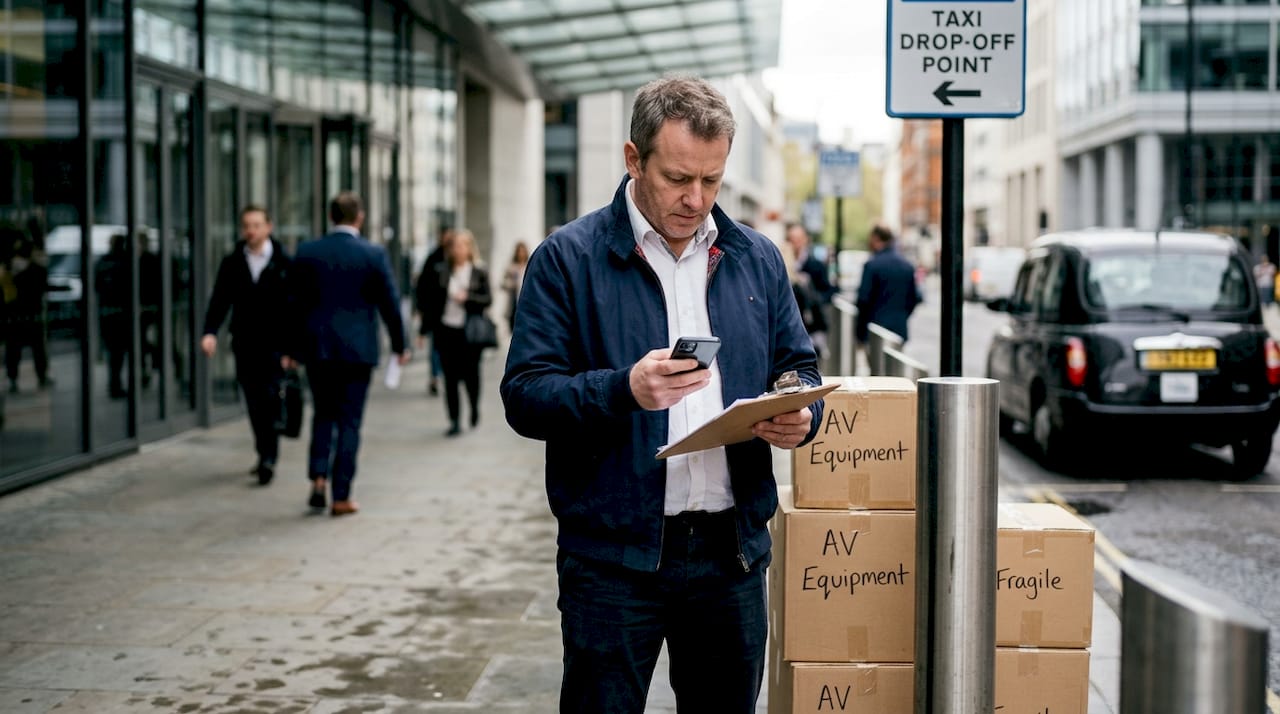
ULEZ and City traffic directly affect how guests arrive and how long it takes. The Ultra Low Emission Zone covers the entire City of London, meaning older vehicles face daily charges. For events where guests are travelling from across London or beyond, this matters. Private hire vehicles and dedicated chauffeurs are often the cleaner, more predictable option.
Key transport considerations to plan around:
- Station proximity: Venues near Liverpool Street, Moorgate, Bank, or Cannon Street give guests the most flexibility.
- Cycling access: Secure cycle storage is increasingly expected by City professionals.
- Dedicated drop-off points: Confirm whether the venue has a designated arrival area for taxis and private cars.
- Accessibility: Step-free access, hearing loops, and accessible toilets should be confirmed in advance. Check venue accessibility details before finalising.
“The best events I’ve attended in the City all had one thing in common: guests arrived relaxed because transport was sorted in advance, not scrambled at the last minute.”
Hybrid events add another layer. If any attendees are joining remotely, you need reliable AV infrastructure and someone responsible for managing the technical side throughout the evening. Dropped connections and poor audio are the fastest ways to lose remote participants’ attention. Your event logistics plan should include a dedicated AV contact on the night.
Pro Tip: Test all AV and Wi-Fi connections at least 48 hours before the event, not on the day. Venue IT teams are often stretched, and issues discovered late rarely get resolved quickly.
Confirm event details: packages, licensing and flexibility
With logistics mapped out, the final stage is confirming every detail in writing before the event goes live. This is where many bookings run into unexpected friction.
Venue packages in the City typically come in a few formats. Day delegate rates (DDR) bundle room hire, catering, and AV into a per-head cost, which simplifies budgeting. Evening packages often focus on drinks, entertainment, and room hire separately. Understanding exactly what’s included prevents unpleasant surprises on the invoice.
Dedicated coordinators and licensing checks are the difference between a smooth event and a chaotic one. Always confirm:
- Licensing hours: What time does the venue licence expire, and is there flexibility to extend?
- Minimum spend: Is there a food or drink minimum that must be met, and what happens if you fall short?
- Cancellation terms: What’s the penalty for cancelling or reducing guest numbers within 30, 60, or 90 days?
- Coordinator availability: Will a dedicated person be on-site throughout your event?
- Flexibility on layout: Can the room be reconfigured if your guest count changes?
For more context on what good packages look like, reviewing the benefits of bar hire and understanding private venue flexibility will help you benchmark what you should expect.
Pro Tip: Always request a written summary of your event brief from the coordinator at least two weeks before the date. If anything is misunderstood, you want time to correct it, not discover it on the evening.
For additional event coordination tips, look at how corporate roadshow planners approach venue confirmation. Their rigour translates well to City private hire events.
What most guides miss about private hire success in the City
Most articles on private hire focus on checklists and timelines. Useful, but incomplete. What they consistently undervalue is the relationship between the event planner and the venue coordinator.
In the City, where venues are in high demand and events often run back-to-back, coordinators have real discretionary power. They can find you a better room layout, flag a licensing issue before it becomes a problem, or quietly prioritise your event when things get busy. That kind of support doesn’t come from a booking form. It comes from being a straightforward, well-prepared client who communicates clearly and early.
Dedicated coordinator relationships are genuinely the difference between a vibrant event and a night of confusion. The planners who get the best outcomes treat their venue coordinator as a partner, not a service provider. They share the full picture early, ask good questions, and stay responsive.
Understanding private venue expertise also means recognising that flexibility is earned, not assumed. Venues extend goodwill to clients who’ve done the groundwork.
Find your ideal private hire venue with The 1 Bar
Putting all of this into practice starts with finding a venue that genuinely supports the process rather than complicating it.
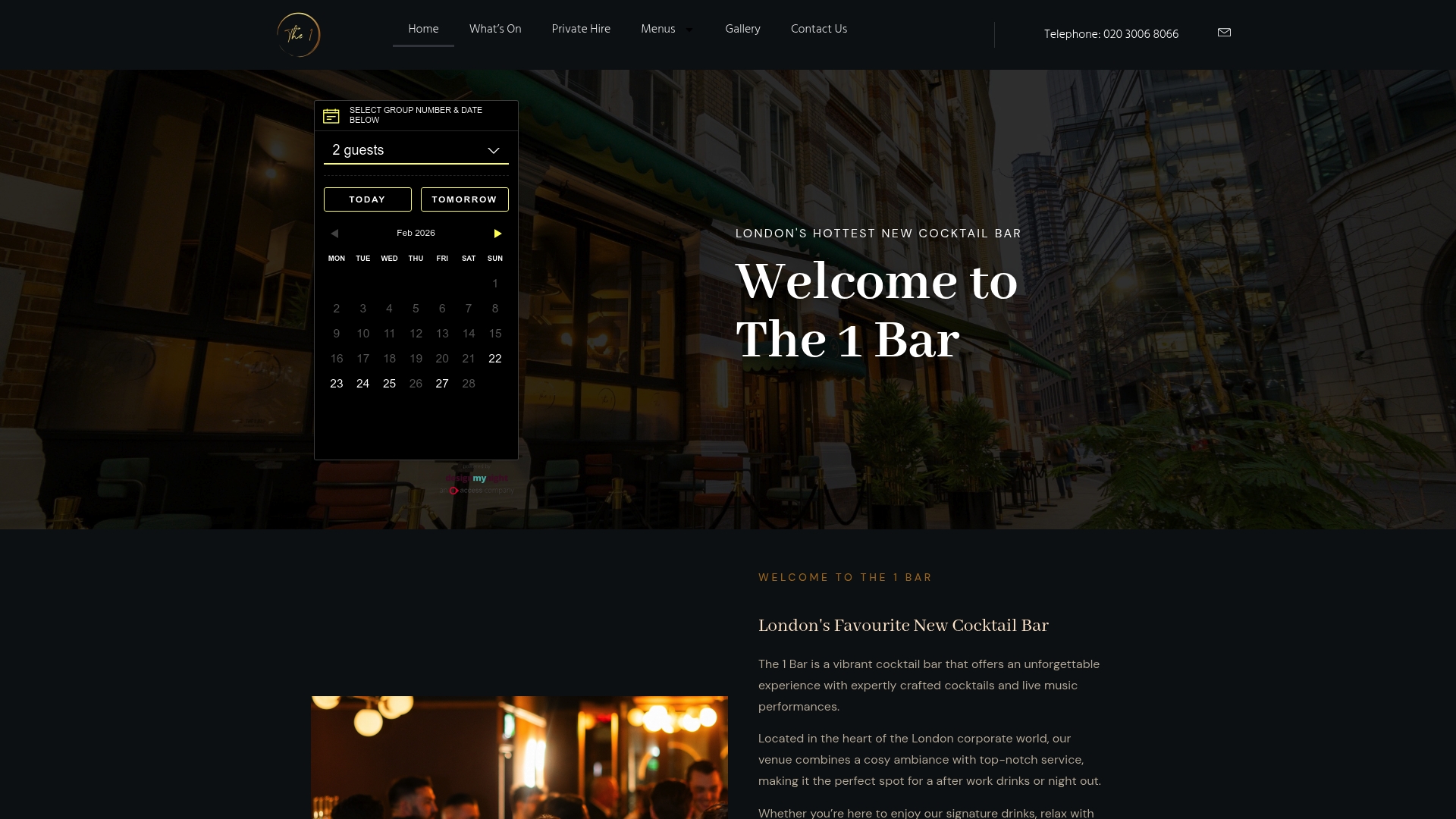
The 1 Bar at 18 Appold Street sits at the heart of the financial district, offering private hire at The 1 Bar with flexible packages, live music, and a team that knows how City professionals like to celebrate. Whether you need a lively after-work space or a fully tailored corporate evening, the booking guide walks you through every step with clarity. From bespoke cocktail menus to dedicated event support, the bar hire benefits are built around making your event memorable without the usual planning headaches. Get in touch and let’s make it happen.
Frequently asked questions
How far in advance should I book a private hire venue in London’s financial district?
For peak periods like financial results season and the festive run-up, book 6-12 months ahead to secure your preferred venue and avoid losing your date to a larger booking.
What are typical minimum guest requirements for City venues?
Minimums vary considerably, but some venues require at least 100 guests on high-demand nights like Thursdays. Always confirm this before provisionally holding a date.
How does City traffic and ULEZ impact event transport?
ULEZ and congestion mean older vehicles face charges and journey times are unpredictable. Dedicated chauffeurs or venues near major stations are the most reliable solution for guest arrivals.
What should I check before confirming a booking?
Review package inclusions, licensing hours, minimum spend commitments, cancellation terms, and confirm that a dedicated coordinator will be available throughout your event.