
Every London corporate event planner knows the difference between a bustling bar and a well-oiled cocktail station can determine the success of any upscale after-work gathering. Upscale venues like The 1 Bar demand more than skilled bartenders—they require a comprehensive setup and precise workflow to deliver flawless service and unforgettable drinks. Discover how strategic preparation, professional measurement, and thoughtful presentation combine to craft a seamless cocktail experience that impresses discerning guests every time.
Table of Contents
- Step 1: Prepare Your Bar And Ingredients For Efficient Service
- Step 2: Select And Measure Spirits To Ensure Consistency
- Step 3: Mix And Chill Cocktails To Perfection
- Step 4: Garnish And Present Drinks With Style
- Step 5: Verify Quality Before Serving To Guests
Quick Summary
| Insight | Explanation |
|---|---|
| 1. Organise your bar for efficiency | Arrange glassware and ingredients by type to minimise movement and speed up service during high-pressure events. |
| 2. Ensure consistency with measures | Use proper measuring tools like jiggers to maintain consistent cocktail flavours, enhancing guest trust and satisfaction. |
| 3. Employ correct mixing techniques | Different cocktails require specific techniques like shaking or stirring to achieve the right texture and flavour balance. |
| 4. Present drinks with intent | Use fresh, quality garnishes and appropriate glassware to enhance the visual appeal and overall drinking experience. |
| 5. Verify quality before serving | Conduct sensory checks on each drink to ensure balance, temperature, and clarity, preventing any potential guest disappointments. |
Step 1: Prepare your bar and ingredients for efficient service
Your bar setup directly impacts how quickly and accurately you’ll execute orders during an upscale event. Taking time to prepare properly means the difference between a seamless evening and a chaotic one.
Start by arranging your glassware strategically. Group each type together—cocktail glasses, rocks glasses, coupes, and highballs should sit closest to where you’ll mix drinks. This reduces unnecessary movement and speeds up service. Position your most frequently used glasses at eye level for instant access.
Next, organise your spirits and mixers by category. Setting up glassware and organising ingredients by type ensures you can grab what you need without hesitation. Create distinct zones: clear spirits in one area, dark spirits in another, then mixers, bitters, and speciality ingredients. Label everything clearly, especially at events with multiple bartenders.
Your garnish station deserves equal attention. Prepare garnishes in advance:
- Fresh citrus wheels and twists (lemon, lime, orange)
- Herbs (mint, rosemary, basil) in water to keep them crisp
- Olives, cherries, and other specialty garnishes in separate containers
- Everything within arm’s reach of your mixing station
Check your ice supply before guests arrive. For upscale events in London venues like after-work gatherings, you’ll need more ice than you think. Keep a secondary supply chilled and ready to replace the working batch. Wet, diluted ice ruins cocktails quickly.
Finally, confirm your inventory against the planned menu. Count bottles, check expiry dates, and verify you have backups for popular drinks. Running out of a signature cocktail halfway through an event damages the experience and your reputation.
A well-organised bar before service begins prevents 90% of operational problems that occur during peak hours.
Pro tip: Create a laminated checklist of your bar setup that you and any additional staff can tick off 30 minutes before service—this catches missing items before guests notice gaps in your offerings.
Step 2: Select and measure spirits to ensure consistency
Consistency is what separates a professional bar operation from an amateur one. When every cocktail tastes identical, your guests trust your craft and return for more.
Start by selecting your base spirits according to your planned menu. For upscale corporate events in London, quality matters more than quantity. Choose spirits that reflect the sophistication of your venue and clientele. Mid-range to premium options work better than budget bottles, which often taste thin in mixed drinks.
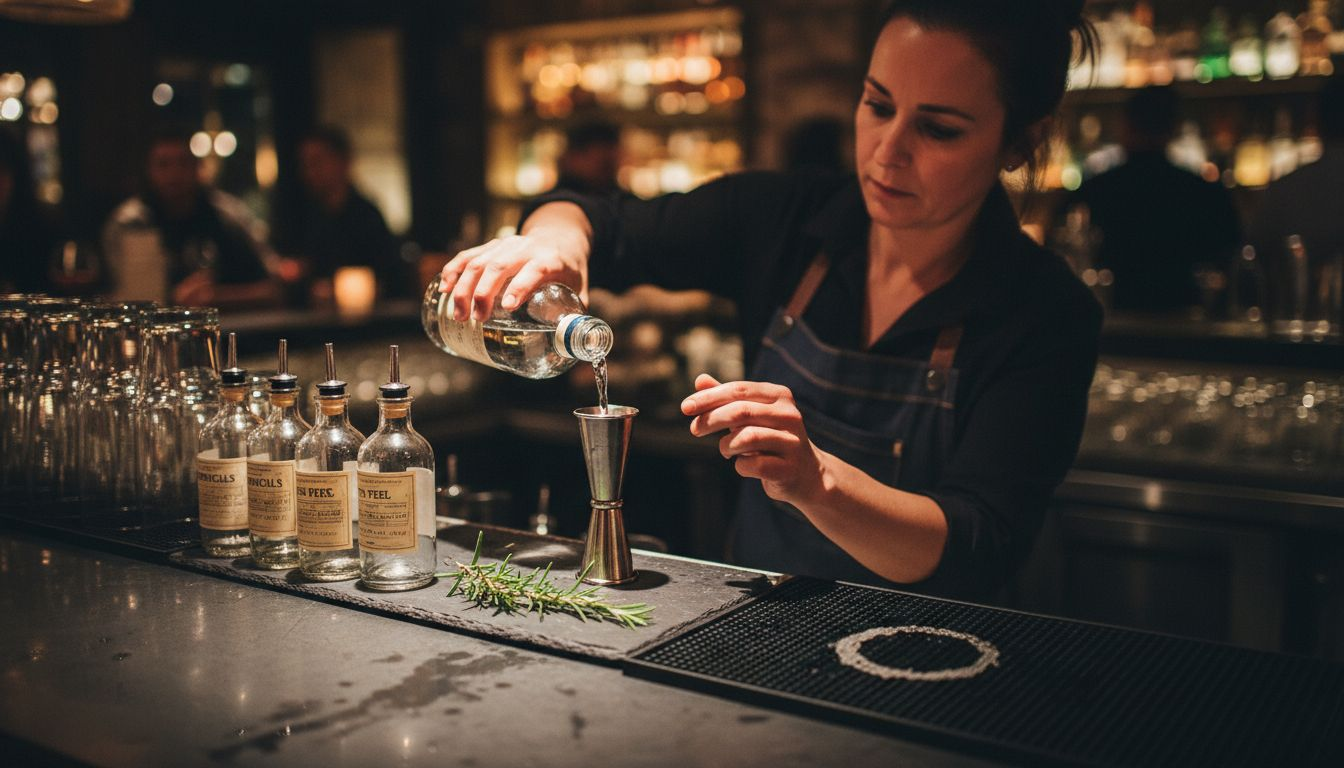
Next, invest in proper measuring equipment. Accurate measurement using jiggers and tools is critical to cocktail quality. A double-sided jigger with different measurements on each end (typically 25ml and 50ml) becomes your most important tool. Position it at your mixing station where you can reach it instantly without breaking rhythm.
Understand your jigger sizes before service begins. Most upscale venues use metric measurements, so familiarise yourself with millilitres. Create a quick reference card showing standard pours for your signature cocktails.
Pour spirits consistently using these techniques:
- Hold the jigger level when pouring to avoid spillage and ensure accuracy
- Fill to the mark, not above it, every single time
- Pour spirits into the jigger first, then transfer to your mixing glass
- Never pour directly from the bottle into cocktails
- Wipe the jigger between different spirit types to prevent flavour contamination
Professional bartenders maintain taste balance through precise alcohol measurement which also controls costs and ensures responsible service. When you measure consistently, you can replicate recipes perfectly, train staff more easily, and manage your pour cost accurately.
Test your measurement technique before guests arrive. Mix a few trial cocktails using your jiggers and taste them. This reveals whether your pours are balanced and helps you spot any measurement errors before they affect your event.
Inconsistent pours damage your reputation faster than any other bartending mistake. One perfectly made cocktail builds trust; one weak drink ruins it.
Pro tip: Keep a small notebook near your station to log which bottle you’re using for each spirit type—this prevents grabbing the wrong bottle during high-pressure service and ensures guests receive the same quality drink throughout the evening.
Step 3: Mix and chill cocktails to perfection
The mixing technique you choose determines whether your cocktail tastes balanced, looks appealing, and reaches the guest at the perfect temperature. Different drinks demand different approaches.
Understand the two primary mixing methods. Shaking works best for cocktails containing citrus juice, cream, egg whites, or other thick ingredients. The vigorous motion combines everything thoroughly whilst introducing aeration, creating that desirable frothy texture. Stirring suits spirit-forward drinks like Martinis and Negronis, gently chilling them without excessive dilution or unwanted foam.
Effective mixing techniques such as shaking and stirring are essential to achieve perfect cocktails. Your choice affects flavour, texture, and presentation significantly. For an upscale corporate event, understanding this distinction separates competent bartenders from exceptional ones.
When shaking, follow this sequence:
- Fill your cocktail shaker two-thirds with quality ice
- Add your measured spirits first, followed by other ingredients
- Seal the shaker firmly and shake vigorously for 10-12 seconds
- Listen for the shaker to frost over, indicating proper chilling
- Strain immediately into your prepared glass
For stirring, use a bar spoon and mixing glass instead. Add ice to your mixing glass, pour spirits and other ingredients, then stir gently for 20-30 seconds. Stirring introduces minimal dilution compared to shaking, preserving clarity and texture. The slower pace allows you to control exactly how much water from melting ice enters the drink.
Temperature control matters enormously. Pre-chill your glassware by filling each with ice water whilst you prepare drinks. Discard this water just before pouring your cocktail. This simple step ensures your drink stays cold significantly longer, impressing guests who appreciate craftsmanship.
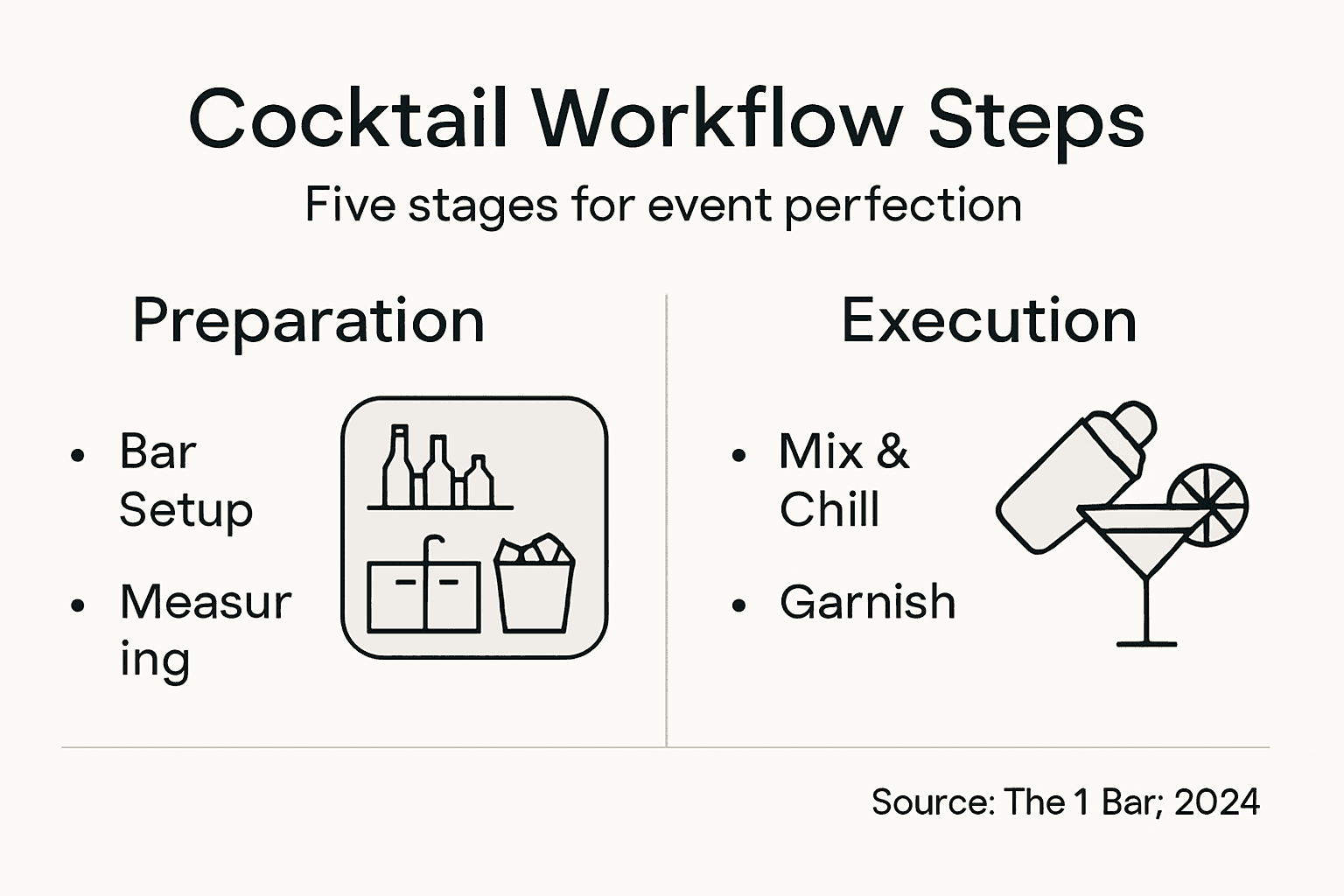
Here’s a comparison of key mixing techniques for different cocktail types:
| Mixing Method | Suitable Cocktails | Resulting Texture | Typical Glassware |
|---|---|---|---|
| Shaking | Citrus, cream, or egg cocktails | Frothy and aerated | Coupe or Martini glass |
| Stirring | Spirit-forward classics | Clear and velvety | Rocks or mixing glass |
| Building | Highball, Collins, or long drinks | Layered and refreshing | Highball or Collins glass |
| Blending | Frozen cocktails | Smooth and icy | Hurricane or Margarita glass |
Quality ice makes the difference between ordinary and exceptional cocktails. Use larger ice cubes or blocks when possible, as they melt more slowly than standard ice. Avoid ice that smells or tastes stale, which ruins the entire drink.
The perfect cocktail reaches your guest at exactly 2-4 degrees Celsius, properly diluted and balanced. Temperature drops by one degree every few seconds after pouring, so speed matters.
Pro tip: Pre-batch your most popular cocktails during slower moments, storing them in a sealed container in your freezer, then quickly strain and serve when orders arrive—this maintains consistency whilst dramatically increasing your speed during peak service periods.
Step 4: Garnish and present drinks with style
A beautifully presented cocktail tells your guests that every detail matters. The garnish isn’t decoration—it’s an integral part of the drinking experience that enhances aroma, flavour, and visual appeal.
Start with fresh, quality garnishes prepared in advance. Citrus twists, herb sprigs, and edible flowers should all be pristine. Wilted herbs and dull fruit destroy even a perfectly mixed drink. Store garnishes in water or sealed containers to maintain freshness throughout your event.
When preparing citrus twists, use a channel knife or vegetable peeler to remove the coloured outer layer. Twisting citrus peels releases essential oils that add aroma and depth to your cocktail. Express the twist over the drink’s surface, allowing the citrus oils to mist across the top before dropping it in. This technique takes seconds but significantly elevates the sensory experience.
Treat herbs with intention. Bruise mint or basil gently between your palms before adding them to drinks. This releases aromatics without shredding the leaves. For rosemary or thyme, you can lightly toast them over a flame to amplify flavour—just be careful not to scorch them.
Select your glassware strategically. Presentation involves selecting appropriate glassware that complements the cocktail style and enhances perception. A delicate coupe glass suits an Espresso Martini differently than a rocks glass suits a Negroni. The glass shape affects how aromas reach the nose and influences the overall impression.
Use these garnishing techniques:
- Position garnishes consistently from drink to drink
- Keep citrus garnishes thin and elegant, not oversized
- Place herb sprigs at an angle for visual interest
- Use edible flowers sparingly for sophisticated upscale events
- Wipe the glass rim before serving to remove any drips
Presentation speed matters during high-volume service. Practice your garnishing technique beforehand so you can execute it smoothly without slowing down. A beautifully garnished drink that arrives quickly impresses more than a perfect drink delayed.
A sophisticated garnish speaks to your professionalism and respect for your guests. It transforms a good drink into a memorable one.
Pro tip: Prepare a garnish “station” separate from your mixing area with all pre-cut citrus, fresh herbs, and decorative elements organised by drink type—this prevents fumbling mid-service and ensures consistent presentation across every cocktail you pour.
Step 5: Verify quality before serving to guests
A single poorly made cocktail damages your reputation and taints the entire evening. Quality verification takes seconds but prevents costly mistakes from reaching your guests.
Before any drink leaves your station, perform a quick sensory check. Professional bartenders perform quality checks by tasting cocktails before serving to verify balance, flavour accuracy, and proper execution. This doesn’t mean tasting every single drink, but sampling frequently throughout service ensures consistency and catches errors early.
When you do taste, take a small sip using a clean teaspoon. Assess these elements immediately:
- Balance between sweet, sour, bitter, and strong components
- Temperature should be properly chilled, not warm
- Dilution level, confirming the drink isn’t too strong or watery
- Ingredient integration, ensuring nothing separates or settles
- Flavour accuracy against your recipe standards
Visually inspect every drink before it goes to the guest. Check that the colour matches expectations. A Daiquiri should be pale and clear; a Negroni should be deep amber. Cloudiness where there shouldn’t be indicates a problem. Verify your garnish sits properly and the glass is spotless, with no fingerprints or drips on the rim.
To summarise, here are critical cocktail quality checks bartenders should perform before service:
| Checkpoint | Why It Matters | How to Assess |
|---|---|---|
| Balance | Ensures flavours are harmonious | Taste with a teaspoon |
| Temperature | Maintains refreshing experience | Glass feels cold |
| Clarity | Indicates proper technique | Visual inspection |
| Garnish Placement | Enhances appearance and aroma | Position and freshness |
| Glass Cleanliness | Protects guest perception | Check for drips/fingerprints |
Attention to detail in preparation and presentation guarantees a cocktail that looks appealing and tastes exceptional. The drink’s integrity depends on this final verification step. Ice should be properly formed, not fractured or melting excessively. Carbonation in sparkling drinks should still have visible bubbles.
If something feels off, remake the drink without hesitation. Your guests at upscale London venues expect perfection. A corrected drink served within seconds beats a flawed drink served immediately. Your reputation for quality matters more than speed at any single order.
Establish a rhythm where you taste your most complex drinks every fifth or sixth cocktail prepared. This cadence catches drift in your technique without overwhelming your workflow.
A single flawed cocktail at an upscale event costs you far more than the five minutes spent remaking it perfectly.
Pro tip: Keep a small notebook at your station where you jot down quick observations about how drinks are tasting—if you notice citrus-forward drinks tasting slightly sour, you can adjust your lime amounts before it affects multiple orders.
Elevate Your Cocktail Experience at The 1 Bar
Mastering cocktail mixing workflows for upscale events means attention to detail, consistency, and presentation every step of the way. If you appreciate expertly crafted cocktails made with precision, fresh garnishes, and impeccable service just like the techniques in this guide, The 1 Bar in London’s financial district is your ideal destination. Our vibrant venue brings to life everything a professional cocktail enthusiast values, from perfectly measured spirits to thoughtfully garnished drinks served in style.
Experience the seamless blend of skill and atmosphere at The 1 Bar. Whether you are planning a private hire event, after-work drinks, or a night out among London professionals, we deliver quality and flair in every glass. Discover our full drinks menu, explore private hire options, and book your visit today to enjoy an unparalleled cocktail journey built on the very standards you have just mastered in this article. Take the next step towards a memorable night by visiting https://the1bar.co.uk now.
Frequently Asked Questions
How can I prepare my bar and ingredients for efficient service during upscale events?
To prepare your bar for efficient service, strategically arrange your glassware by type and keep frequently used glasses at eye level. Organise spirits and mixers into distinct zones and ensure your garnish station is well-stocked with fresh ingredients.
What measuring techniques should I use to ensure consistency in cocktails?
Use a double-sided jigger for accurate measurements, with one side typically at 25ml and the other at 50ml. Always pour spirits into the jigger before transferring to the mixing glass to maintain consistent measurements across cocktails.
What mixing techniques are best for different types of cocktails?
Shaking is ideal for cocktails with citrus juice, while stirring suits spirit-forward drinks. Always chill your glassware before serving to maintain the optimal temperature for the finished cocktail.
How should I garnish drinks to enhance presentation?
Use fresh, quality garnishes and ensure they are prepped ahead of time. Position them consistently across drinks and consider the type of glassware to enhance both aroma and visual presentation.
What quality checks should I perform before serving a cocktail?
Perform a quick sensory check of balance, temperature, clarity, and garnish placement before serving. This ensures that every cocktail meets your quality standards and enhances the overall guest experience.
What can I do to speed up service during high-volume periods?
Pre-batch popular cocktails and store them in the freezer to quickly serve during peak times. This method can greatly reduce wait times and help maintain consistency in taste and presentation.