
Selecting the perfect drinks menu for London’s bustling professional crowd and upscale event planners presents a genuine challenge. A well-designed bar menu must balance variety, operational efficiency, and style to appeal to discerning after-work drinkers and event guests. This guide walks you through essential criteria, popular cocktail categories, innovative approaches, and strategic design tactics that transform a basic drinks list into a memorable experience that keeps professionals returning and events running smoothly.
Table of Contents
- Selection Criteria For Curating A Stylish Bar Drinks Menu
- Popular Cocktail Categories For After-Work Drinks
- Innovative Twists On Classic Cocktails
- Menu Layout And Design For Optimal Service
- Pricing Strategies For After-Work And Event Menus
- Incorporating Non-Alcoholic And Low-Abv Options
- Signature Cocktails For Event Branding
- Summary Comparison And Situational Recommendations
- Explore Stylish Cocktail Menus And Event Spaces At The 1 Bar
Key Takeaways
| Point | Details |
|---|---|
| Selection Criteria | Balance variety, pricing, and operational speed while including seasonal and inclusive options to boost repeat visits by 20%. |
| Popular Categories | Gin cocktails dominate with 45% sales share, followed by whiskey at 36% and rum at 29% among London professionals. |
| Innovative Approach | Creative twists on classics increase customer satisfaction by 65% while maintaining familiar appeal for upscale events. |
| Menu Design | Limit selections to 6-8 drinks with clear segmentation to improve ordering speed and increase sales up to 20%. |
| Inclusivity Matters | Non-alcoholic options grew 40% in sales recently, appealing to health-conscious professionals and expanding guest appeal. |
Selection Criteria for Curating a Stylish Bar Drinks Menu
Balancing variety without overwhelming customers forms the foundation of successful menu design. Your drinks list should represent major spirit categories while staying focused enough for quick decision making during busy after-work hours.
Pricing alignment with London’s financial district spending patterns matters tremendously. Most professionals expect cocktails in the £10-£15 range, a sweet spot that communicates quality without deterring regular visits. When modern cocktail bars price appropriately, they build loyal followings among nearby office workers.
Operational factors like menu size and service speed directly impact both customer satisfaction and venue profitability. A streamlined menu means bartenders can prepare drinks faster, reducing wait times during peak hours. Research shows that seasonal cocktail trends incorporating fresh ingredients and timely flavors can boost repeat patronage by 20% among London professionals.
Consider these essential criteria:
- Spirit variety covering gin, whiskey, rum, vodka, and tequila bases
- Clear flavor profiles from light and refreshing to bold and complex
- Operational simplicity with ingredients that keep well and prep quickly
- Seasonal rotation of 2-3 drinks to maintain novelty
- Non-alcoholic and low-ABV options for inclusive appeal
Pro Tip: Test new seasonal drinks during quieter Tuesday or Wednesday evenings before adding them to your weekend menu. This gives bartenders practice time and generates customer feedback without overwhelming busy services.
Popular Cocktail Categories for After-Work Drinks
Gin-based cocktails dominate London’s bar scene among professionals seeking sophisticated after-work options. Sales data reveals that gin cocktails outsell whiskey and rum by 25% in the financial district, capturing 45% of total cocktail sales.
Whiskey-based drinks follow with 36% market share, appealing to professionals who appreciate traditional spirit craftsmanship. The category benefits from London’s established whisky culture and professional clientele seeking bold, warming flavors after long workdays.
Rum-based cocktails represent 29% of sales, particularly popular during corporate events and celebratory gatherings where lighter, tropical flavors create festive atmospheres. These drinks often feature in signature event menus due to their crowd-pleasing appeal.
| Cocktail Category | Sales Share | Top Drinks | Appeal Factor |
|---|---|---|---|
| Gin-Based | 45% | Negroni, Martini, G&T variations | Sophisticated, botanical complexity |
| Whiskey-Based | 36% | Old Fashioned, Manhattan, Whisky Sour | Traditional, bold flavors |
| Rum-Based | 29% | Mojito, Daiquiri, Mai Tai | Festive, approachable sweetness |
Classic cocktails like the Negroni and Espresso Martini consistently top sales charts because they deliver reliable sophistication that professionals trust. Understanding these preferences helps you tailor menus directly to your target audience’s demonstrated tastes rather than guessing what might work.
Key cocktail selections should include:
- At least two gin options showcasing different botanical profiles
- One whiskey classic and one contemporary whiskey cocktail
- A rum-based option for lighter palates
- The Espresso Martini as a reliable after-work energizer
Innovative Twists on Classic Cocktails
Modern bars attract repeat customers by refreshing familiar recipes with craft spirits and unexpected garnishes. A botanical-infused Negroni using locally distilled gin or an Espresso Martini featuring cold-brew coffee elevates the expected into something memorable.
Innovative approaches boost customer satisfaction significantly. Studies show that creative variations increase enjoyment by 65% compared to standard classics, particularly among professionals who frequent bars regularly and seek new experiences.
Balancing familiarity with novelty keeps upscale event guests comfortable while providing conversation-worthy elements. A recognizable cocktail name reassures guests, while unique preparation or presentation sparks interest and social media sharing.
Innovative cocktail twists work best when they maintain the drink’s core identity. An Old Fashioned remains recognizable even when you substitute traditional bourbon with Japanese whisky or add a smoked glass presentation.
Successful innovation strategies include:
- Replacing standard spirits with craft or regional alternatives
- Adding house-made syrups using seasonal ingredients
- Incorporating unexpected garnishes that complement flavor profiles
- Using alternative preparation methods like smoking, infusing, or fat-washing
- Creating visual presentations that encourage photography
Pro Tip: Train bartenders to explain innovations briefly when serving. A 10-second story about the smoked rosemary garnish or house-made tonic enhances perceived value without slowing service.
Menu Layout and Design for Optimal Service
Segmenting your menu by spirit base creates immediate clarity for customers browsing options. Organizing sections for gin cocktails, whiskey drinks, rum selections, and specialty options helps guests navigate choices quickly during busy after-work periods.
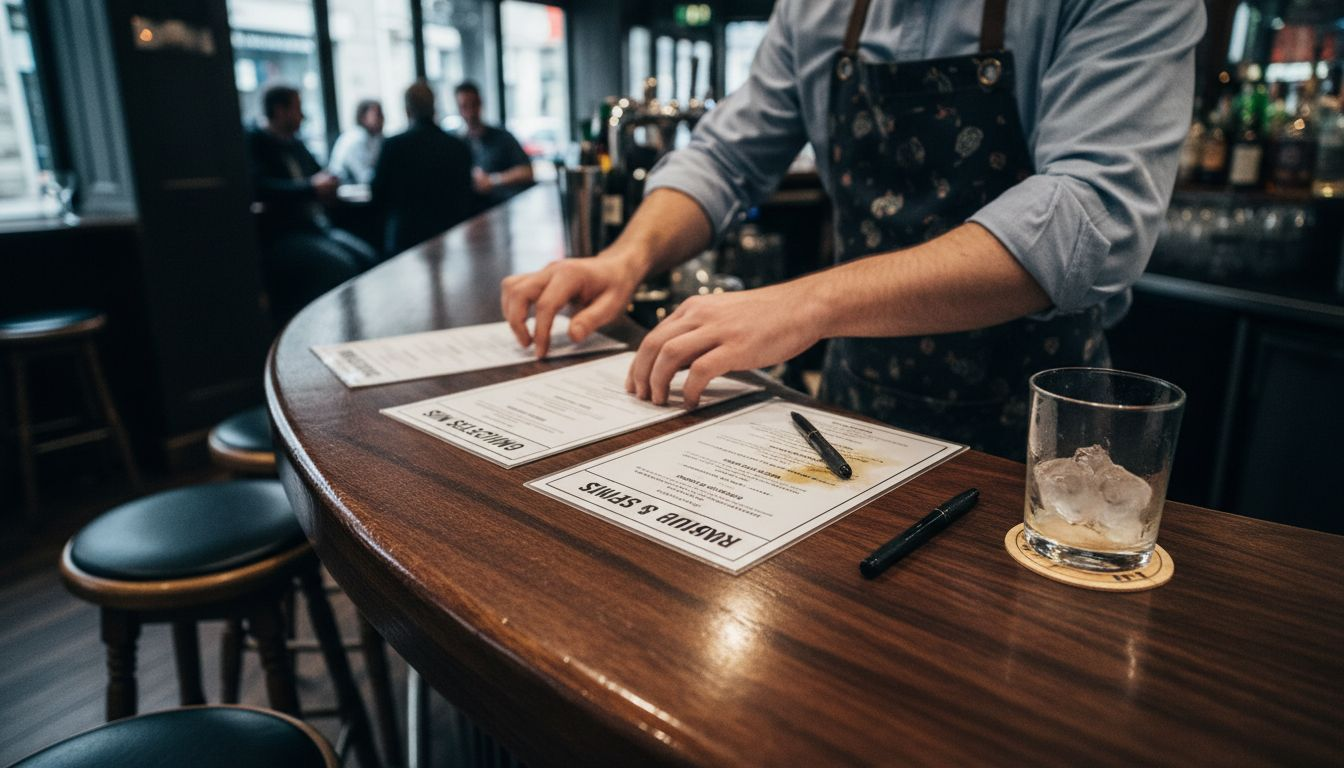
Detailed drink descriptions reduce ordering time by answering questions before customers ask. Include the base spirit, key flavor notes, and preparation style in each description. This transparency builds confidence and speeds decision making.
Limiting menu size to 6-8 carefully chosen drinks streamlines operations without sacrificing variety. Research demonstrates that focused menus can increase sales up to 20% by reducing decision paralysis and enabling bartenders to perfect fewer recipes.
| Menu Approach | Drinks Offered | Decision Time | Service Speed | Customer Satisfaction |
|---|---|---|---|---|
| Extensive Menu | 15+ cocktails | 3-5 minutes | Slower | Mixed |
| Focused Menu | 6-8 cocktails | 1-2 minutes | Faster | Higher |
| Minimal Menu | 4-5 cocktails | Under 1 minute | Fastest | Variable |
Practical menu layout best practices balance operational needs with customer experience. Visual hierarchy using section headers, clear pricing, and appetizing descriptions guides eyes naturally through options.
Design elements that improve ordering:
- Bold section headers separating spirit categories
- 2-3 sentence descriptions highlighting unique ingredients
- Clear pricing visible at first glance
- Signature or recommended drinks marked distinctly
- Readable fonts and appropriate text sizing
Pricing Strategies for After-Work and Event Menus
Cocktail prices in London’s professional scene typically range from £10 to £15, reflecting ingredient quality and preparation complexity. This range aligns with spending patterns among financial district workers who view after-work drinks as regular social investments.
Pricing must communicate value without triggering customer resistance. When prices drift too low, professionals question quality. Prices above £15 require clear justification through premium ingredients or elaborate presentation.
Tiered pricing structures work effectively across different cocktail types. Classic cocktails anchor the lower end at £10-£12, while signature creations and innovative drinks command £13-£15. This approach accommodates various customer budgets and purchase occasions.
Pricing strategies for upscale menus directly impact profitability and repeat business. Transparent pricing builds trust, while perceived value encourages customers to explore higher-priced options occasionally.
Effective pricing tactics include:
- Classics priced at £10-£12 for accessibility
- House signatures at £13-£14 to showcase creativity
- Premium or rare spirit cocktails at £15+ with clear justification
- Consistent pricing within categories to simplify decisions
- Special event packages offering slight discounts for volume
Proper pricing strategy balances covering costs, generating profit, and maintaining competitive positioning. Calculate ingredient costs, labor, and overhead, then apply appropriate markup percentages that reflect your venue’s market position.
Incorporating Non-Alcoholic and Low-ABV Options
Non-alcoholic and low-alcohol cocktails experienced 40% sales growth across London bars recently, driven by health-conscious professionals and sober-curious consumers. This trend shows no signs of slowing as wellness priorities reshape drinking culture.
These options appeal strongly to professionals managing busy schedules who want to socialize without alcohol’s effects. Offering sophisticated non-alcoholic cocktail options demonstrates venue awareness of evolving customer needs and builds inclusive atmospheres.
Including 2-3 non-alcoholic cocktails broadens your menu’s appeal significantly. Guests attending events or after-work gatherings appreciate having flavorful alternatives that match the creativity and presentation of alcoholic drinks.
Popular non-alcoholic creations incorporate fresh juices, house-made syrups, premium sodas, and complex flavor combinations. A well-crafted virgin mojito using fresh mint, lime, and quality tonic water rivals its alcoholic counterpart in taste and visual appeal.
Strategic benefits of inclusive options:
- Attracts health-conscious professionals and designated drivers
- Accommodates pregnant guests and those avoiding alcohol
- Enables longer socializing sessions without intoxication
- Projects progressive, wellness-aware brand image
- Generates additional revenue from previously underserved segments
Low-ABV cocktails using vermouth, sherry, or reduced spirit portions provide middle-ground options. These drinks deliver flavor complexity and ritual without full alcohol content, appealing to moderation-focused consumers.
Signature Cocktails for Event Branding
Custom signature cocktails create powerful event memories, with 70% of attendees recalling branded drinks long after gatherings end. This memorability transforms beverages into marketing tools that reinforce event themes and corporate identities.
Tailoring cocktails to specific events strengthens brand alignment dramatically. A tech company launch might feature a “Blue Circuit” cocktail with electric-blue curaçao, while a law firm celebration could showcase a sophisticated “Justice Pour” using premium aged spirits.
Branded drinks enhance unique atmospheres and encourage social sharing. When guests photograph and post distinctively named cocktails, they extend event reach organically across social networks, providing free marketing value.
Signature cocktails for event branding complement venue ambiance while maintaining service flow efficiency. The best custom drinks balance visual impact with practical preparation, ensuring bartenders can produce them quickly during peak service.
Strategic recipe design considerations:
- Names reflecting event themes or company values
- Colors matching brand identities or event décor
- Ingredients that scale easily for large guest counts
- Preparation methods compatible with venue capabilities
- Flavor profiles appealing to broad audiences
Custom cocktails work particularly well for corporate events, product launches, weddings, and milestone celebrations where memorable experiences justify premium pricing. Advance planning ensures ingredient availability and staff training before event dates.
Summary Comparison and Situational Recommendations
Different occasions demand tailored menu approaches based on guest expectations, operational constraints, and desired atmospheres. Understanding tradeoffs between cocktail categories helps you optimize selections for specific situations.
| Cocktail Category | Popularity | Operational Fit | Complexity | Typical Price | Best Situations |
|---|---|---|---|---|---|
| Gin Classics | Very High | Excellent | Low-Medium | £10-£12 | After-work drinks, regular service |
| Whiskey Cocktails | High | Good | Medium | £11-£13 | Professional gatherings, winter months |
| Innovative Twists | Medium-High | Fair | Medium-High | £13-£15 | Weekend service, special events |
| Signature Creations | Medium | Variable | High | £14-£15 | Corporate events, private hire |
| Non-Alcoholic | Growing | Excellent | Low-Medium | £8-£10 | All situations, inclusive events |
Classic cocktails offer reliability and speed, making them ideal for high-volume after-work service when professionals want familiar, well-executed drinks quickly. Innovative options attract weekend crowds and repeat visitors seeking new experiences.
Situational recommendations by use case:
-
After-Work Professional Drinks: Focus on 6-8 classics heavy on gin and whiskey bases, priced £10-£13, with one seasonal option and one non-alcoholic choice. Prioritize quick preparation and consistent quality.
-
Upscale Private Events: Include 2-3 signature cocktails aligned with event themes, 3-4 popular classics for varied tastes, and seasonal innovations. Price at £12-£15 with custom options available.
-
Health-Aware Social Gatherings: Balance alcoholic options with 3 sophisticated non-alcoholic cocktails and 2 low-ABV choices. Price inclusively to encourage exploration across categories.
-
Corporate Networking Events: Offer streamlined menu of 5-6 drinks including branded signature cocktail, reliable classics, and one premium option. Focus on efficient service and conversation-friendly complexity.
-
Weekend Premium Service: Expand to 8-10 cocktails featuring innovative twists, seasonal specialties, and creative presentations. Higher complexity justified by relaxed timing and experience-seeking clientele.
Menu size directly impacts operational efficiency. Venues serving 100+ guests per evening benefit from focused menus enabling bartender specialization. Smaller, appointment-based venues can offer broader selections with advance notice.
Explore Stylish Cocktail Menus and Event Spaces at The 1 Bar
Ready to experience expertly curated cocktail menus that embody these best practices? The 1 Bar delivers sophisticated drinks and memorable atmospheres tailored for London’s professional crowd.
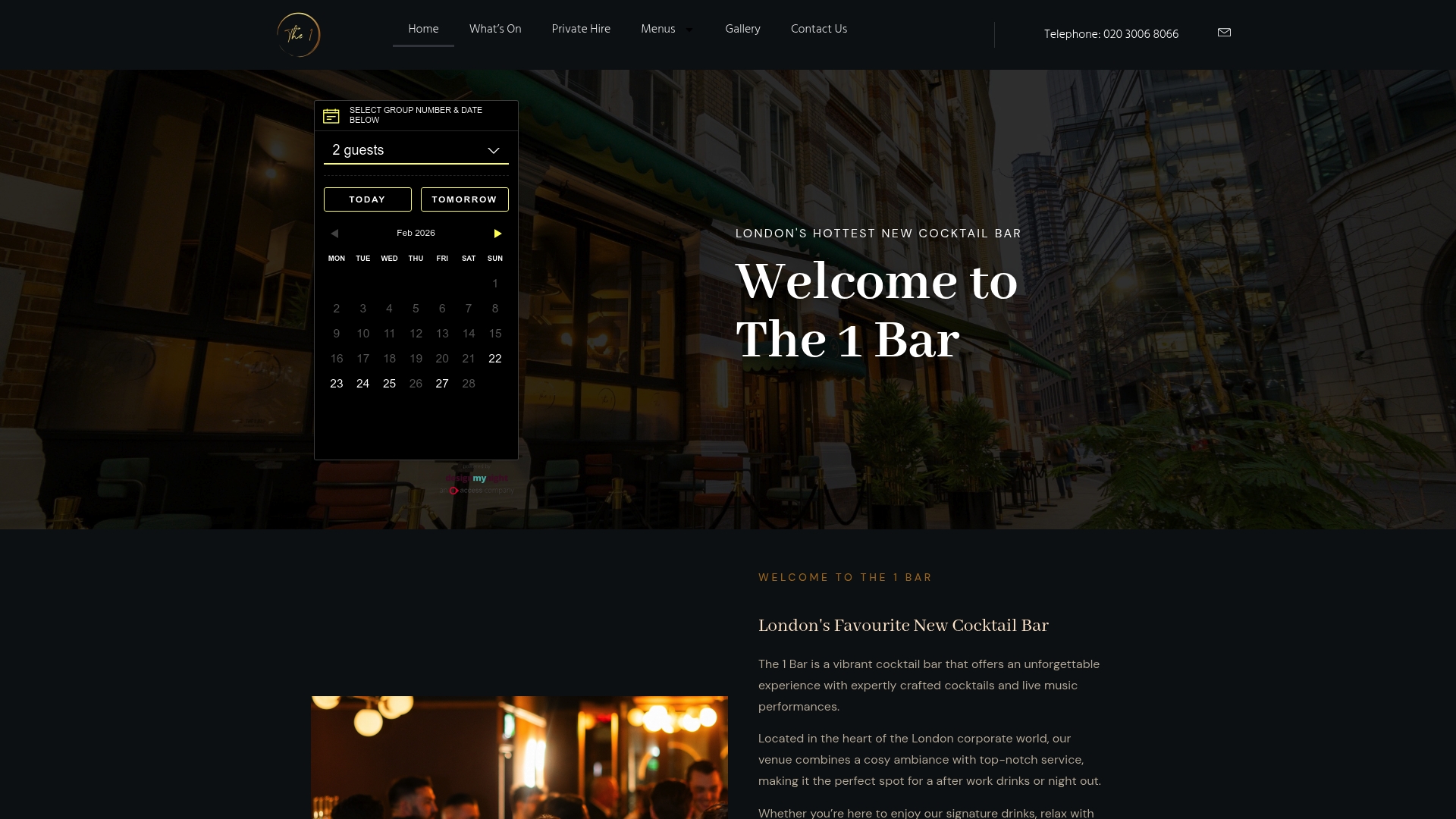
Our venue combines carefully selected classics, innovative seasonal creations, and inclusive options that appeal to diverse tastes. Located in London’s financial district, we understand what professionals seek in after-work destinations and upscale event spaces.
Explore our private hire event spaces for corporate gatherings, celebrations, and networking functions. Our team crafts custom signature cocktails and manages every detail, from initial planning through final service. Discover our approach to cocktail mixing workflow that ensures consistent quality during high-volume events. Visit us to see how strategic menu design creates exceptional experiences.
Frequently Asked Questions
What is the ideal number of drinks on an after-work bar menu?
Six to eight carefully chosen cocktails provide optimal variety without overwhelming busy professionals. This focused approach speeds decision making, enables bartenders to perfect recipes, and can increase sales up to 20% compared to extensive menus.
How can I balance classic and innovative cocktail choices?
Allocate 60-70% of menu space to reliable classics that professionals trust, then dedicate remaining slots to seasonal innovations and creative twists. This ratio maintains familiar anchors while providing novelty that encourages repeat visits.
What factors affect cocktail pricing in London bars?
Ingredient quality, preparation complexity, venue location, and target audience expectations all influence pricing. London’s financial district supports £10-£15 ranges, with classics at lower ends and signature creations commanding premium prices through unique ingredients or presentation.
How do non-alcoholic cocktails improve event inclusivity?
Sophisticated non-alcoholic options ensure all guests enjoy creative, flavorful drinks regardless of alcohol preferences. This inclusivity accommodates health-conscious professionals, designated drivers, pregnant guests, and those in recovery, projecting a welcoming, progressive venue image that broadens appeal.
Why add signature cocktails for corporate events?
Custom signature drinks create memorable brand connections, with 70% of attendees recalling them long after events. Branded cocktails reinforce event themes, encourage social media sharing, and provide unique talking points that enhance overall guest experiences and extend marketing reach organically.