
Bar reservations in London: Secure your perfect night out

TL;DR:
- Many London bars now require reservations, especially for weekends and larger groups.
- Reservations guarantee seating, time certainty, and access to exclusive areas, enhancing the experience.
- A hybrid model balancing reservations and walk-ins is common, maintaining vibrant atmospheres while reducing no-shows.
Many Londoners still assume you can simply turn up at any bar and find a seat waiting. That assumption is costing people their Friday nights. London’s most sought-after cocktail bars and rooftop venues are filling up faster than ever, and the gap between a memorable evening and a disappointing one often comes down to a single decision: did you book ahead? This article walks you through what bar reservations actually involve, how the booking process works in practice, and what to watch for when navigating group policies, deposits, and venue types across the city.
Table of Contents
- What is a bar reservation and why does it matter?
- How bar reservations work: Step-by-step
- Comparing bar policies: Pubs vs trendy bars vs hybrids
- Navigating group bookings, restrictions, and etiquette
- Why spontaneous nights out are changing: Our perspective
- Plan your night out with unforgettable bar experiences
- Frequently asked questions
Key Takeaways
| Point | Details |
|---|---|
| Bar reservations explained | A bar reservation secures your spot at busy London venues, ensuring a smooth night out. |
| Policies vary by venue | Trendy bars prefer bookings while traditional pubs often welcome walk-ins. |
| No-show fees and deposits | Late cancellations or no-shows can cost up to £50 per person and deposits are common. |
| Plan group bookings ahead | Large groups should confirm policies and book early for the best experience. |
What is a bar reservation and why does it matter?
A bar reservation is a confirmed agreement between a venue and a guest to hold a specific table or area for a set time. It sounds simple, but it is quite different from a restaurant booking or a club entry. Restaurants typically hold your table for the full duration of a meal. Clubs sell tickets for entry. Bar reservations, by contrast, usually secure a space for a fixed window, often two to three hours, after which the table may be released to walk-ins.
Walk-ins remain common at traditional pubs, where the culture is built around casual, unplanned visits. But >some London bars now require reservations as standard, particularly for groups or weekend evenings. The shift reflects genuine demand. London’s nightlife is not slowing down, and the most vibrant venues simply cannot accommodate everyone who arrives hoping for a table.
Who actually needs a reservation? The short answer is: anyone who wants certainty. Groups celebrating birthdays or work milestones, tourists visiting for a single weekend, and professionals planning after-work drinks on a Thursday all benefit from booking ahead. The cocktail bar concept has evolved significantly in London, with many venues now offering curated experiences that reward guests who plan in advance.
The numbers tell a clear story. >London bars and pubs generate £26B annually, yet the hospitality sector faces an average no-show rate of 8%. That is a substantial loss for venues operating on tight margins, and it explains why so many bars now enforce deposits and cancellation policies.
Here is why reservations genuinely benefit you as a guest:
- Guaranteed seating at the time you want, not whenever a table happens to free up
- Time certainty so you can coordinate with colleagues or friends without stress
- Access to exclusive areas such as private booths or rooftop sections that are never available to walk-ins
- Priority service at busy bars where staff focus attention on booked guests first
- Peace of mind for special occasions where a disappointing experience is simply not an option
Understanding bars’ role in London’s nightlife helps explain why reservations have become so central. These venues are not just places to drink. They are social anchors for the city’s professional and creative communities.
With the growing demand for memorable London nights, next we will dig into the mechanics of actually securing a reservation.
How bar reservations work: Step-by-step
Once you understand why reservations matter, let us break down the actual booking process and what to expect.
The booking landscape in London has changed considerably. You can now reserve through a bar’s own website, by calling directly, or via third-party platforms. >Popular platforms like OpenTable charge per-cover (roughly £1 per guest) and significantly reduce no-shows by requiring deposits, dropping the no-show rate to as low as 1%. That is a dramatic improvement from the industry average, and it shows why venues increasingly prefer structured bookings over spontaneous walk-ins.
Here is how a typical London bar reservation unfolds:
- Check availability on the bar’s website or your chosen platform. Most venues display real-time slots, so you can see exactly what is open for your preferred date and time.
- Select your date, time, and party size. Be precise here. Underestimating your group size is one of the most common mistakes and can result in inadequate seating or a refused booking on arrival.
- Provide guest details. You will usually need a name, phone number, and email address. Some venues ask for dietary requirements or occasion details at this stage.
- Pay a deposit or prepayment. This is increasingly standard, particularly for weekends and larger groups. Deposits typically range from £10 to £25 per person, though some premium venues charge more.
- Receive confirmation and reminders. A confirmation email or SMS should arrive immediately. Most platforms send automated reminders 24 to 48 hours before your booking.
- Arrive on time. Most bars hold reservations for 15 minutes past the booked time before releasing the table to walk-ins.
The policy caveats are worth reading carefully. Late cancellations at some London venues carry fees of up to £50 per person. That is not a small sum, and it catches many guests off guard.
Pro Tip: Set a calendar reminder for 48 hours before your booking. If your plans change, cancelling within the policy window avoids fees and frees the table for someone else. Use the step-by-step reservation guide to prepare before you book.
Comparing bar policies: Pubs vs trendy bars vs hybrids
After walking through the booking process, it is crucial to understand how these steps and policies differ by venue style.
London’s drinking scene spans a remarkable range of venue types, and each approaches reservations differently. Traditional pubs, cocktail bars, and hybrid spaces all operate under distinct philosophies, and knowing the difference saves you from awkward surprises.
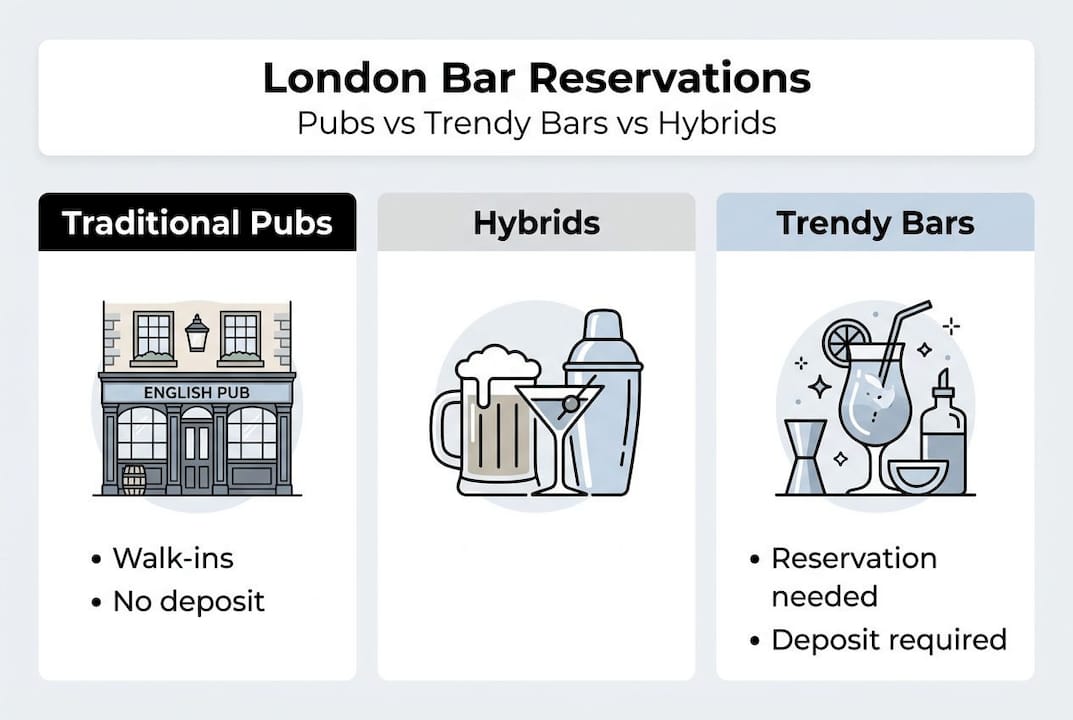
>80% of trendy and cocktail bars now use reservations for operational control, while traditional pubs continue to favour the spontaneous walk-in model that has defined British pub culture for centuries.
| Venue type | Reservations accepted | Group policy | No-show enforcement | Walk-in availability |
|---|---|---|---|---|
| Traditional pub | Rarely | Informal, any size | None typically | Always |
| Cocktail bar | Almost always | Max 8, deposit required | Fees up to £50pp | Limited or none |
| Hybrid bar | Yes, partial | Flexible | Moderate | Reserved and walk-in zones |
| Rooftop bar | Always | Strict, pre-booked | Strict fees | Rarely |
The hybrid model is arguably the most interesting development in London’s bar scene. These venues divide their space deliberately, holding some tables for reservations while keeping a section open for walk-ins. It is a clever balance that preserves spontaneity without sacrificing the operational benefits of structured bookings.
Critics of the reservation trend argue that it removes the energy of an unplanned night out. As one hospitality commentator put it:
“Too many reservations can make a bar feel like a dining room. The best venues know how to keep the floor alive while still honouring their booked guests.”
There is truth in that. A bar that is entirely pre-booked can feel oddly static. But the hybrid approach, combined with a well-chosen drinks menu and thoughtful programming, tends to generate the best atmosphere. It is also worth noting that networking at cocktail bars works particularly well when the crowd is curated rather than entirely random.
Navigating group bookings, restrictions, and etiquette
Understanding general policies is key, but for group celebrations or after-work drinks, there is extra etiquette and planning to consider.
Group bookings introduce a layer of complexity that individual reservations do not. Most London bars impose specific restrictions, and being unaware of them can derail an otherwise well-planned evening.
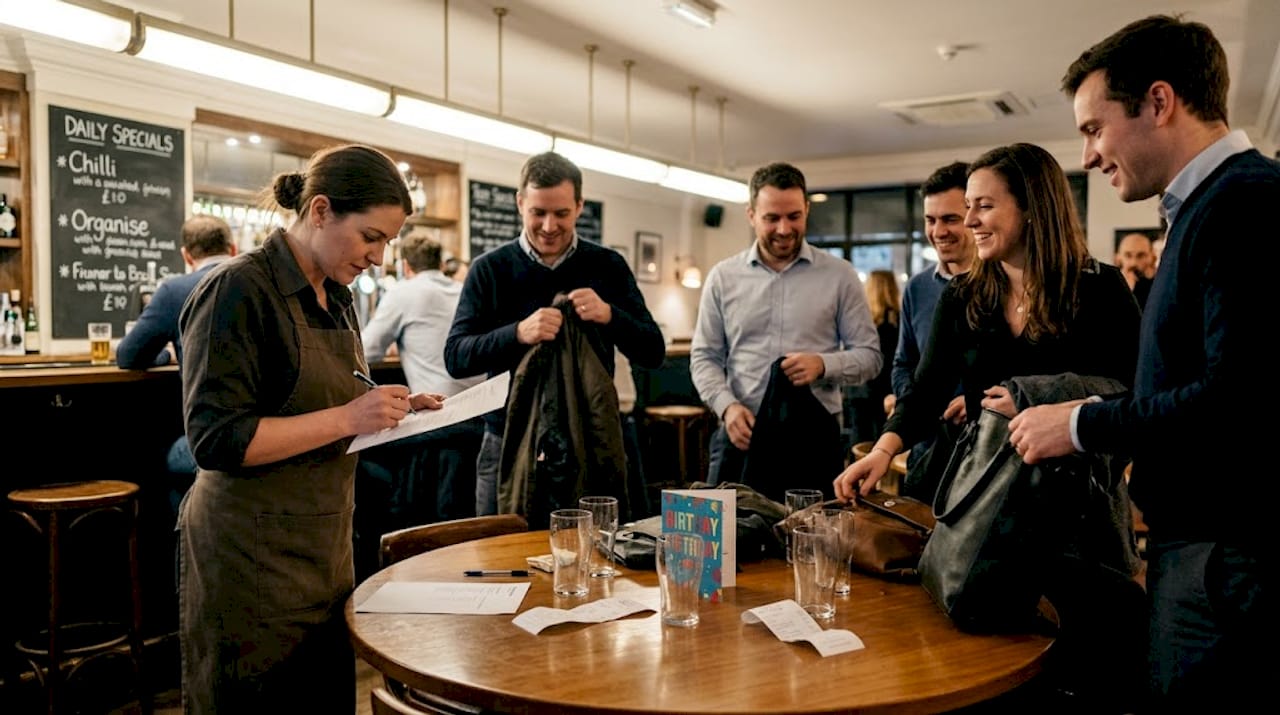
Edge cases are common: maximum groups of four to eight guests, mixed gender policies at certain venues, late cancellation fees of £50 per person, and strict no under-18s or pets rules are all standard at many London bars.
| Policy area | Typical restriction at London bars |
|---|---|
| Maximum group size | 4 to 8 guests per booking |
| Gender mix | Some venues require mixed groups |
| Deposit required | Yes, usually £10 to £25 per person |
| Under-18s | Not permitted at most cocktail bars |
| Pets | Not permitted indoors |
| Late cancellation fee | Up to £50 per person |
Beyond the formal policies, there is genuine etiquette to observe. Arriving late without notice is considered poor form and may result in your table being released. If your group size changes, contact the venue as early as possible. A quick phone call is far better than arriving with three extra guests and hoping for the best.
Here are the key best practices for smooth group bookings:
- Confirm the venue’s policies before finalising your booking, especially for larger groups
- Arrive on time or notify the bar if you are running late
- Communicate special requests in advance, including accessibility needs, allergy requirements, or celebration set-ups such as decorations or a cake
- Designate one point of contact for the group to avoid confusion with the venue
Pro Tip: When booking for a special occasion, call the bar directly rather than booking online. A brief conversation often unlocks options that are not visible on the booking platform, from reserved booths to bespoke drinks packages. The group booking guide covers this in more detail.
Why spontaneous nights out are changing: Our perspective
Having covered the practical side, let us step back and reflect on what these cultural shifts really mean for London’s after-dark scene.
There is a genuine nostalgia for the spontaneous pub night. You finish work, someone sends a message, and twenty minutes later you are at the bar. No planning, no deposit, no confirmation email. That culture has not disappeared, but it has retreated to specific venues and specific nights.
The reality is that London’s most vibrant bars are victims of their own success. When demand consistently outstrips capacity, venues must make choices. The no-show problem alone has forced the industry’s hand. Hybrid models offering both reservations and walk-ins help keep venues vibrant while meaningfully reducing no-shows. That is a genuine win for everyone.
What we have observed is that the smartest Londoners now operate with a hybrid mindset of their own. They book ahead for Friday and Saturday evenings, for birthday celebrations, and for any venue that genuinely excites them. But they keep Tuesday and Wednesday evenings free for spontaneity, knowing that walk-in availability is far more realistic on quieter nights. This approach gives you the best of both worlds. You never miss out on the venue you actually want, and you never lose the pleasure of an unplanned evening. The bar ambiance in London is at its most electric when the crowd is a mix of the planned and the spontaneous.
Plan your night out with unforgettable bar experiences
Ready to put this knowledge to work? The 1 Bar at 18 Appold Street in London’s financial district makes the reservation process genuinely straightforward, whether you are planning a team celebration, a client evening, or a well-earned Friday night out.
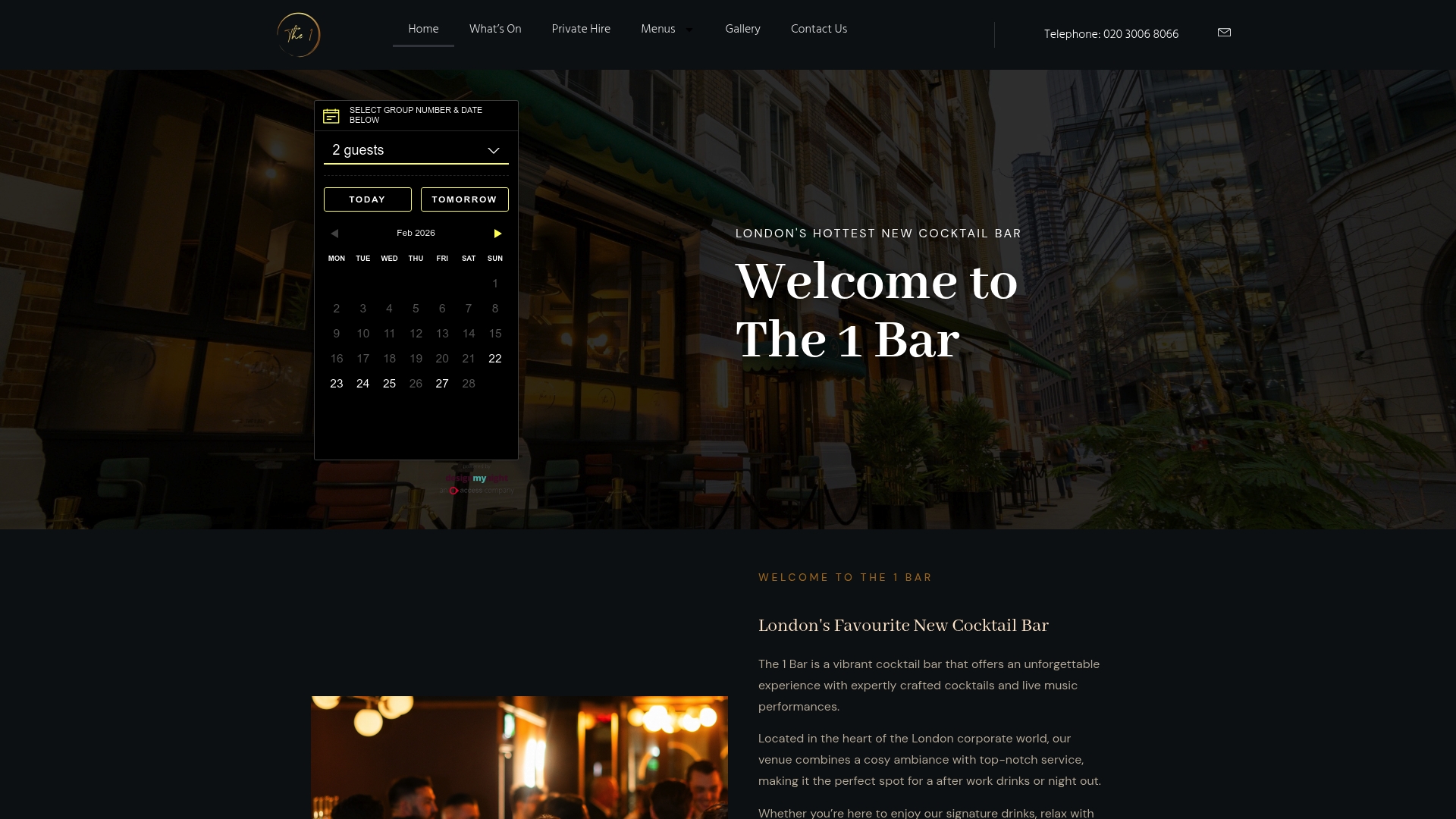
With live music, expertly crafted cocktails, and flexible options for groups of all sizes, The 1 Bar is built for exactly the kind of night this article has been describing. Explore London bar bookings to check availability, or learn more about what makes a great modern cocktail bar experience. For larger events, the private hire guide walks you through everything you need to secure the space for your next corporate or personal celebration.
Frequently asked questions
Do all London bars require reservations?
No. Traditional pubs favour walk-ins, while trendy cocktail bars and rooftop venues typically require reservations, particularly during busy weekend hours.
What happens if I am late or miss my bar reservation?
Most bars allow a 15-minute grace period, but late cancels cost up to £50pp at some venues, and your table may be released to walk-ins without notice.
Do I need a deposit to reserve a bar table in London?
Deposits are increasingly standard, especially for larger groups and peak evenings. Deposits reduce no-shows to 1%, which is why venues now rely on them heavily.
What are typical group booking restrictions at London bars?
Expect maximum group sizes of 4 to 8, possible gender mix requirements, and strict exclusions for under-18s and pets at most cocktail bars.


