
TL;DR:
- True vibrancy in bars results from multiple factors working together, not just energy and noise.
- Adjusting elements like service, lighting, music, and layout is essential for creating the right atmosphere.
- Matching venue vibe to the event purpose ensures guests feel comfortable and engaged.
A packed room and thumping bass do not automatically make a bar vibrant. Many London professionals have booked out a venue expecting a buzz, only to find the energy flat by 8pm. True vibrancy is engineered, not accidental. According to hospitality research, a lively bar experience depends on multiple interacting levers, including welcoming service, balanced lighting, well-chosen music, and physical comfort. This guide breaks down each of those levers so that professionals and event planners across London can make sharper, more confident venue decisions, whether you are organising after-work drinks, a birthday celebration, or a corporate networking evening.
Table of Contents
- Defining ‘vibrance’: More than just energy and noise
- The core ingredients: Service, lighting, music, and comfort
- Layout, zoning, and the art of crowd dynamics
- The importance of matching vibe to audience and purpose
- Why most people misunderstand vibrancy and what professionals should prioritise
- Discover the London venues that master vibrancy
- Frequently asked questions
Key Takeaways
| Point | Details |
|---|---|
| Vibrant bars balance energy | True vibrance is a mix of social buzz, comfort, and controllable factors—not just loud crowds. |
| Music and lighting matter | Well-chosen music and layered lighting create lively yet inviting environments for all occasions. |
| Smart layout drives flow | Efficient zoning and crowd flow prevent bottlenecks, keeping the atmosphere alive at any occupancy. |
| Match vibe to your event | Successful planners align bar atmosphere with the event’s goals, rather than defaulting to maximum energy. |
Defining ‘vibrance’: More than just energy and noise
The word vibrant gets thrown around in venue listings almost as casually as central or stylish. But conflating vibrance with busyness is one of the most common mistakes event planners make. A bar can be completely rammed and still feel hollow. Equally, a room with thirty well-connected people, great lighting, and attentive staff can feel electric.
Vibrance is best understood as a systems outcome. It emerges when several factors work together rather than any single element dominating. Think of it like a recipe: the finest ingredient in isolation does not make the dish. You need the right combination, in the right proportions, at the right moment.
The role of London bars in the city’s professional culture makes this especially relevant. After-work venues are not just places to drink. They are spaces where deals are quietly progressed, teams are bonded, and networks are built. That social function demands a particular kind of atmosphere, one that encourages conversation rather than competing with it.
Research into nightlife environments confirms that social dynamics matter at least as much as the physical setting. Who is around you, how the layout supports interaction, and whether the crowd feels cohesive all shape how alive a space feels.
A welcoming atmosphere is not a soft metric. It is the foundation on which every other element of vibrancy depends.
So what are those elements? Here is the core list:
- Service quality: Attentiveness, warmth, and speed from staff
- Lighting: Warmth, intensity, and adaptability across the evening
- Music: Genre, volume, tempo, and how it shifts with the crowd
- Comfort: Seating, temperature, and acoustic management
- Layout: Flow, zoning, and sightlines across the venue
- Social atmosphere: Crowd mix, energy, and sense of occasion
Each of these can be controlled. That is the key insight for anyone planning an event in London.
The core ingredients: Service, lighting, music, and comfort
With vibrance defined, the practical question becomes: which levers can you actually adjust when evaluating or booking a venue? The answer is most of them, if you know what to look for.
Service is frequently underrated. A bar with mediocre cocktails but genuinely warm, quick staff will consistently outperform a technically superior venue where guests feel ignored. Welcoming service is one of the top-cited drivers of a positive bar experience. For events, this means asking venues directly about staff-to-guest ratios and whether dedicated event staff are included.
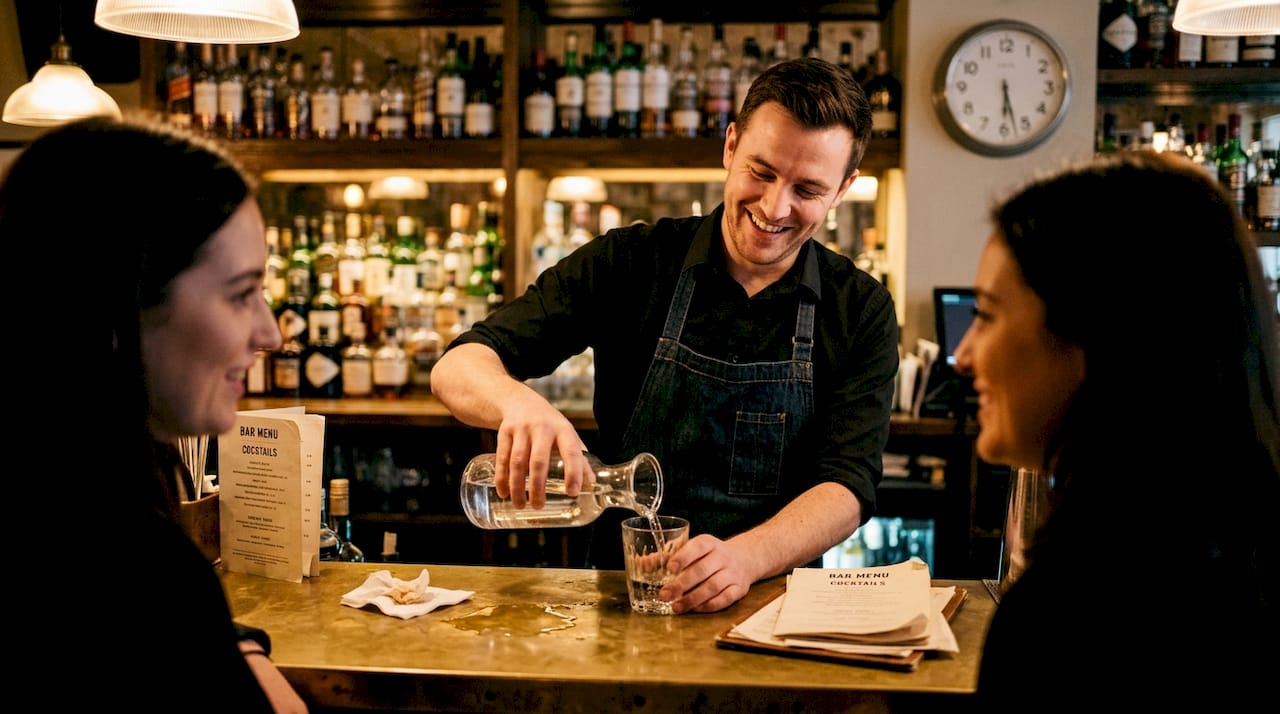
Lighting sets the emotional register of a space before a single word is spoken. Warm, lower-intensity lighting encourages people to relax and stay longer. Harsh overhead lighting does the opposite. Look for venues with dimmer controls and the ability to shift lighting as the evening progresses.
Music is arguably the most powerful and most misused lever. Music shapes bar atmosphere in ways that are immediate and visceral. The right track at the right volume lifts energy without drowning conversation. The wrong choice does the opposite. Music is a leading controllable lever for atmosphere, yet many venues set a playlist and leave it unchanged all night.
Comfort is the silent killer of vibrancy. Guests who are too hot, cannot find a seat, or are straining to hear each other will leave early regardless of how good the drinks are.
| Factor | Impact level | Key variable | Event planner tip |
|---|---|---|---|
| Service | Very high | Staff warmth and speed | Ask about dedicated event staff |
| Lighting | High | Warmth and dimmability | Request a lighting walk-through |
| Music | High | Volume and genre fit | Discuss playlist control options |
| Comfort | Medium-high | Seating and temperature | Check capacity vs. booking numbers |
| Layout | Medium-high | Flow and zoning | Visit during a busy period first |
Here is a practical checklist for evaluating any venue:
- Visit at the same time of day as your planned event
- Observe how quickly staff acknowledge new arrivals
- Test the acoustic level by holding a normal conversation
- Check for flexible lighting and music controls
- Assess whether the layout allows natural group clustering
Pro Tip: Music genre selection matters as much as volume. A jazz set works beautifully for a networking dinner but can feel mismatched at a birthday celebration. Always confirm what the venue plays at your chosen time slot.
Layout, zoning, and the art of crowd dynamics
Beyond the sensory basics, vibrancy is also engineered through clever use of space and crowd movement. A venue can have perfect lighting and a great playlist but still feel awkward if the layout forces people into uncomfortable configurations.
Venue layout and operational flow are core mechanisms behind whether a bar feels alive or unpleasant. The best venues create distinct zones that serve different purposes simultaneously. A standing area near the bar encourages spontaneous conversation. A more intimate seated section allows smaller groups to settle in. A clear sightline across the room gives guests a sense of the overall energy without feeling exposed.
Data from venue quality assessments shows that interior and atmosphere strongly correlate with overall bar ratings, often outweighing food and drink scores in customer satisfaction.
| Venue feature | Average rating impact | Notes |
|---|---|---|
| Interior design | High | First impressions set expectations |
| Atmosphere | Very high | Sustained throughout the visit |
| Seating comfort | Medium | Critical for longer events |
| Acoustics | Medium-high | Affects conversation quality |
For event planners, the key question is whether a venue can adapt its layout to your group size. A space that works brilliantly for 80 people may feel desolate with 30.
Common layout mistakes that harm vibrancy include:
- A single entry and exit point that creates bottlenecks
- Bar placement that forces all guests into one corner
- No variation in furniture height, removing natural social clustering
- Poor acoustic treatment that turns conversation into shouting
Pro Tip: When scouting after-work drinks venues in London, ask whether the space has been used for groups of your size before. A venue that regularly hosts similar events will have already solved the layout problems you might otherwise discover on the night.
Dwell spaces, those areas where guests naturally pause and linger, are a strong indicator of good design. If people are moving constantly because nowhere feels comfortable to settle, the venue is working against you.
The importance of matching vibe to audience and purpose
Now that we understand how vibrance is built, it is vital to match that energy to your group and event purpose. This is where many event planners make a costly error. They chase maximum energy when what their audience actually needs is the right energy.
Vibrant can mean engaging rather than simply loud. Some of the most successful professional events happen in venues that deliberately aim for a gentle buzz, enough energy to feel alive, but calm enough for real conversation to happen.
Consider these scenarios:
- After-work drinks for a team of 15: Needs warmth, easy ordering, and a layout that keeps the group together without isolating them from the wider venue energy
- Corporate networking evening: Requires lower music volume, good lighting for reading name badges, and staff who understand the purpose of the event
- Birthday celebration: Can handle higher energy, a more eclectic playlist, and a venue that embraces a celebratory atmosphere
- Client entertainment: Demands exceptional service, a premium feel, and the kind of cocktail-led experience that signals effort and quality
The best venues do not have one gear. They have the range to shift from relaxed to celebratory as the evening demands.
The risk of overstimulation is real and often overlooked. A venue where the music is too loud, the crowd too dense, and the lighting too chaotic will drive professional guests out early. Energy that tips into chaos is not vibrance. It is the opposite.
Understanding social confidence in bars is also part of this equation. Guests who feel comfortable in a space will naturally generate more of the social energy that makes a venue feel alive. The venue’s job is to create the conditions for that to happen.
Why most people misunderstand vibrancy and what professionals should prioritise
Here is the uncomfortable truth about venue selection in London: most people are optimising for the wrong thing. They chase reputation, Instagram aesthetics, or sheer capacity. What they should be asking is whether the venue has the controls to deliver the right atmosphere for their specific event.
Conventional wisdom says book the busiest bar on the street. But a packed venue with no lighting flexibility, a fixed playlist, and undertrained staff is not a vibrant venue. It is a busy one. Those are not the same thing.
The professionals who consistently run successful events think differently. They look for adaptable venues, spaces with layered lighting systems, music controls, zoned layouts, and staff who understand that atmosphere is part of the product. These venues are rarer than you might expect, but they exist.
The benefits of bar location matter too, but location is the starting point, not the whole answer. A well-located bar with poor atmosphere controls will still disappoint.
Pro Tip: When making an enquiry, ask venue managers directly: “What can you adjust on the night in terms of lighting, music, and layout?” The quality of that answer will tell you almost everything you need to know.
Discover the London venues that master vibrancy
Putting this advice into practice means finding venues that treat atmosphere as a craft rather than an afterthought.
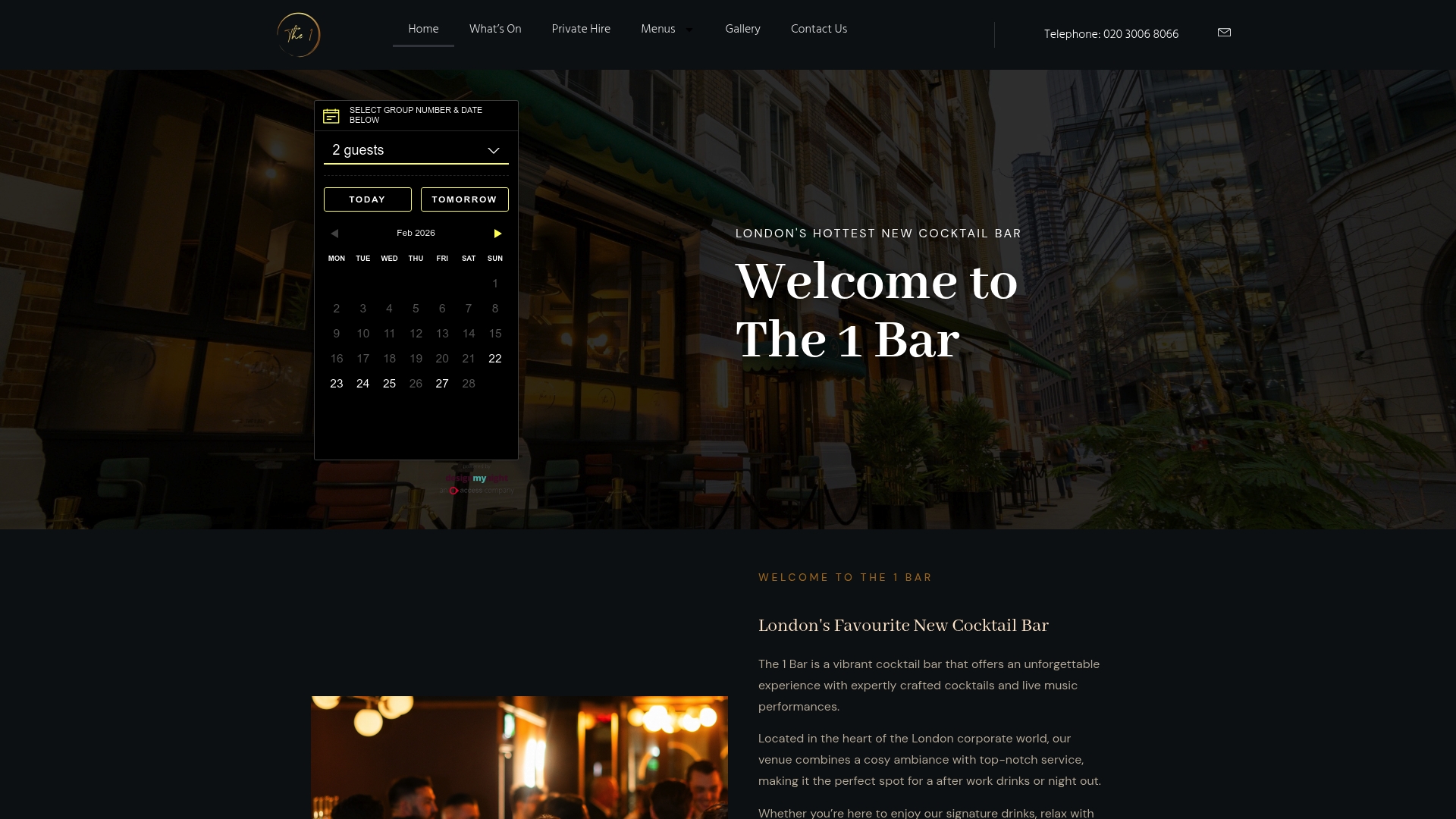
The 1 Bar at 18 Appold Street is built around exactly the principles covered in this guide. From adaptive lighting and a carefully curated music programme to attentive staff and flexible zoning, every element is designed to deliver the right energy for your event. Whether you are exploring our London nightlife guide, considering private hire for events, or simply want to understand the importance of bars in London for professional life, we are here to help you make the right choice. Get in touch and let us show you what a truly vibrant venue looks like in practice.
Frequently asked questions
What is the single biggest driver of a vibrant bar atmosphere?
55% of Brits cite a welcoming atmosphere as the top reason they choose a venue, underpinned by attentive service and the right music.
How does music influence vibrancy without overwhelming guests?
Music boosts energy but must be balanced in volume and style to support conversation. Music mismatched to the crowd or occasion can actively harm the atmosphere.
Does venue layout matter even if the bar has great service and music?
Yes. Poor zoning and bottlenecks can undermine vibrancy even in bars with strong service and excellent ambience.
Is more energy always better when choosing a bar for a work event?
Not at all. A gentle buzz often suits professional events and networking better than high-stimulation environments.
What should I look for when scouting venues for a vibrant London event?
Prioritise layered lighting, clear sightlines, flexible layouts, and event-savvy staff. A practical vibrance checklist covers service, music, comfort, and acoustics as the core criteria.