
Most London bars claim their cocktail menus are curated, yet many simply list random drinks without strategy or purpose. A genuinely curated drinks menu reflects intentional design, balancing flavour profiles, service efficiency, and guest experience to create a cohesive bar identity. For professionals and social enthusiasts seeking vibrant cocktail experiences in London’s competitive nightlife scene, understanding what makes a menu truly curated transforms how you choose venues and appreciate the craft behind expertly designed drinks selections.
Table of Contents
- Defining A Curated Drinks Menu And Its Role In Hospitality
- How Curated Drinks Menus Are Developed: Strategy And Mechanics
- Nuances And Examples Of Curated Drinks Menus In London’S Vibrant Bar Scene
- Practical Tips To Appreciate And Choose Curated Drinks Menus For Your Next Night Out
- Experience Curated Drinks At The 1 Bar London
- Frequently Asked Questions
Key takeaways
| Point | Details |
|---|---|
| Curated menus align with bar identity | Thoughtfully selected drinks reflect venue theme, season, and target guest preferences for cohesive experiences |
| Strategic development balances variety and efficiency | Bars use 7-10 categories with 5-8 items each, maintaining 18-24% pour costs whilst ensuring quick service |
| London bars showcase diverse approaches | From spice-infused themes to planetary-inspired cocktails, top venues blend innovation with classic techniques |
| Guests benefit from intentional selection | Well-curated menus reduce decision fatigue whilst guaranteeing quality across all options |
| Seasonal rotation maintains freshness | Hybrid core plus seasonal models keep menus dynamic without sacrificing signature favourites |
Defining a curated drinks menu and its role in hospitality
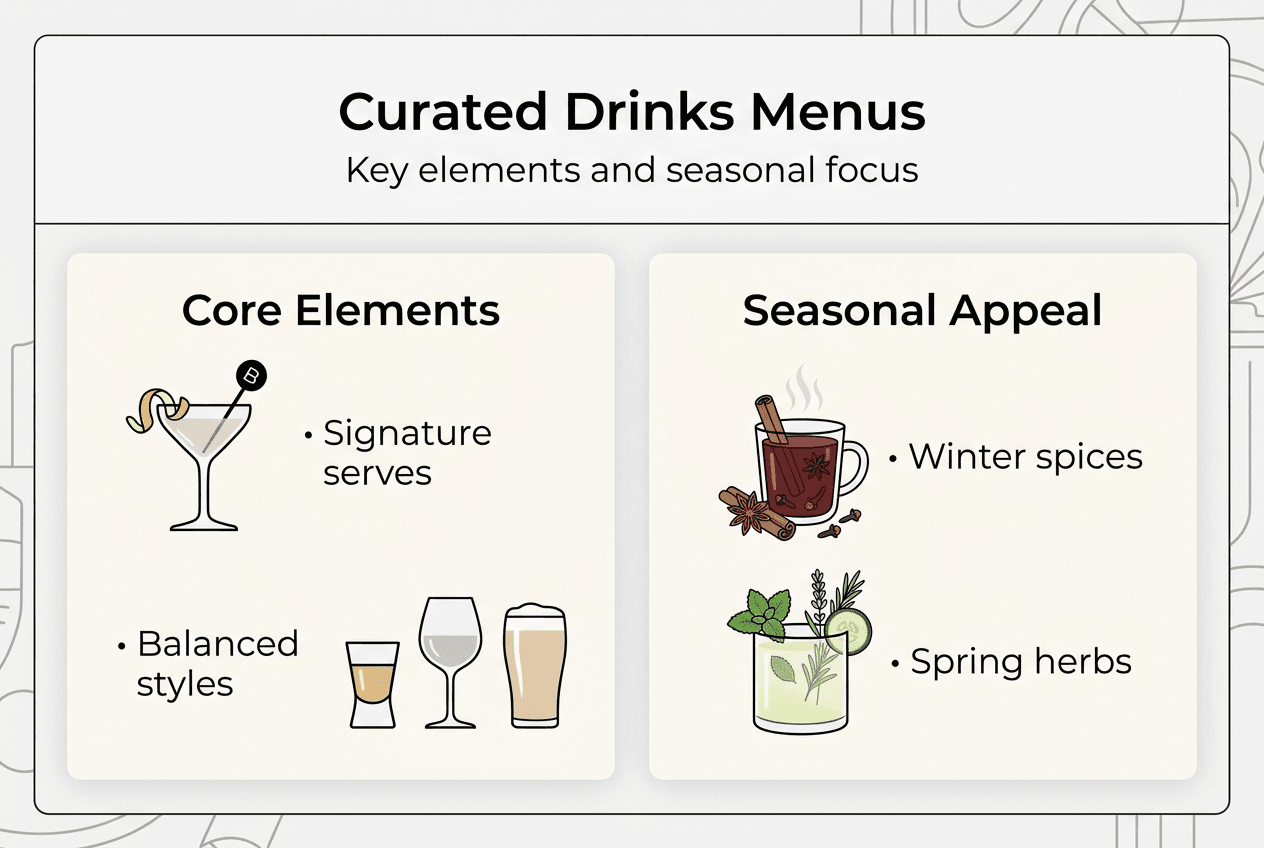
A curated drinks menu is a thoughtfully selected list of beverages that aligns with a bar’s identity, theme, or season, ensuring balance and enhanced guest experience. Unlike standard drinks lists that simply catalogue available spirits and mixers, curated menus demonstrate intentional design where every cocktail serves a specific purpose within the broader offering.
For London’s competitive bar scene, curation separates memorable venues from forgettable ones. Professionals seeking after-work drinks or celebration venues expect more than generic mojitos and margaritas. They want distinctive experiences that justify premium pricing and repeat visits.
Curated menus achieve several critical objectives simultaneously. They establish brand identity through signature serves that guests cannot find elsewhere. They optimise operational efficiency by limiting ingredient complexity whilst maintaining perceived variety. They guide guests through flavour journeys that educate palates and build appreciation for craft cocktails.
Key components include balance across spirit categories, cohesion in presentation and storytelling, and alignment with venue atmosphere. A bar drinks menu guide demonstrates how proper curation considers guest preferences alongside operational realities.
Thematic and seasonal curation adds another dimension. Winter menus might feature warming spices and darker spirits, whilst summer offerings emphasise refreshing citrus and lighter profiles. This rotation keeps regular guests engaged whilst allowing bartenders to showcase seasonal ingredients and evolving skills.
The distinction matters because curated menus require significant investment in concept development, recipe testing, staff training, and ingredient sourcing. Venues committed to this process deliver superior experiences that justify their position in London’s vibrant nightlife landscape.
How curated drinks menus are developed: strategy and mechanics
Creating an effective curated menu involves systematic strategic planning combined with operational testing. The process begins with defining bar identity and target guest profile, then builds outward through ingredient selection, recipe development, and service optimisation.
Mechanics involve starting with bar identity, balancing drink styles, categorising by flavour profiles, testing for service efficiency, and incorporating profitability via pour costs of 18-24%. This structured approach ensures menus work both creatively and commercially.
The development sequence typically follows these steps:
- Establish concept and theme aligned with venue positioning and target demographic
- Map flavour profiles across spirit categories to ensure comprehensive coverage
- Develop signature recipes that showcase bartender creativity whilst using overlapping ingredients
- Test recipes under peak service conditions to identify bottlenecks or complexity issues
- Calculate pour costs and adjust specifications to meet profitability targets
- Train staff on preparation techniques, storytelling, and recommended pairings
- Gather guest feedback and refine based on popularity and operational observations
Successful menus balance drink styles to appeal to diverse preferences. Spirit-forward cocktails satisfy purists seeking bold flavours. Low-ABV options cater to guests wanting extended sessions without overindulgence. Sours and citrus-based serves provide refreshing alternatives. This variety ensures every guest finds appealing choices regardless of mood or occasion.
| Menu element | Target range | Purpose |
|---|---|---|
| Drink categories | 7-10 | Organise by style or spirit base for easy navigation |
| Items per category | 5-8 | Provide choice without overwhelming guests |
| Pour cost percentage | 18-24% | Maintain profitability whilst using quality ingredients |
| Prep time per cocktail | 90-120 seconds | Ensure efficient service during peak periods |
| Seasonal rotation frequency | Quarterly | Keep menu fresh whilst managing ingredient waste |
The cocktail mixing workflow for events illustrates how proper menu design supports operational excellence. Overlapping ingredients reduce inventory complexity whilst maintaining perceived variety. Batching certain components accelerates service without compromising quality.
Profitability considerations extend beyond simple pour costs. Curated menus drive higher average spend by positioning premium serves alongside accessible options. Signature cocktails command premium pricing because guests perceive unique value. Understanding cocktail bar definition helps contextualise how menu curation supports broader business objectives.
Pro tip: Prioritise menu structure over fleeting trends for longevity. Whilst incorporating seasonal ingredients keeps offerings fresh, core menu architecture should reflect timeless cocktail categories that transcend temporary fads. This approach allows evolution without constant wholesale reinvention.
Nuances and examples of curated drinks menus in London’s vibrant bar scene
London’s cocktail landscape showcases remarkable diversity in curation approaches, from thematic storytelling to classic technique showcases. Notable examples include Anise Bar’s spice-infused menu, The Ritz’s biodynamic planetary-themed cocktails, and seasonal innovation at venues like Tayēr + Elementary.
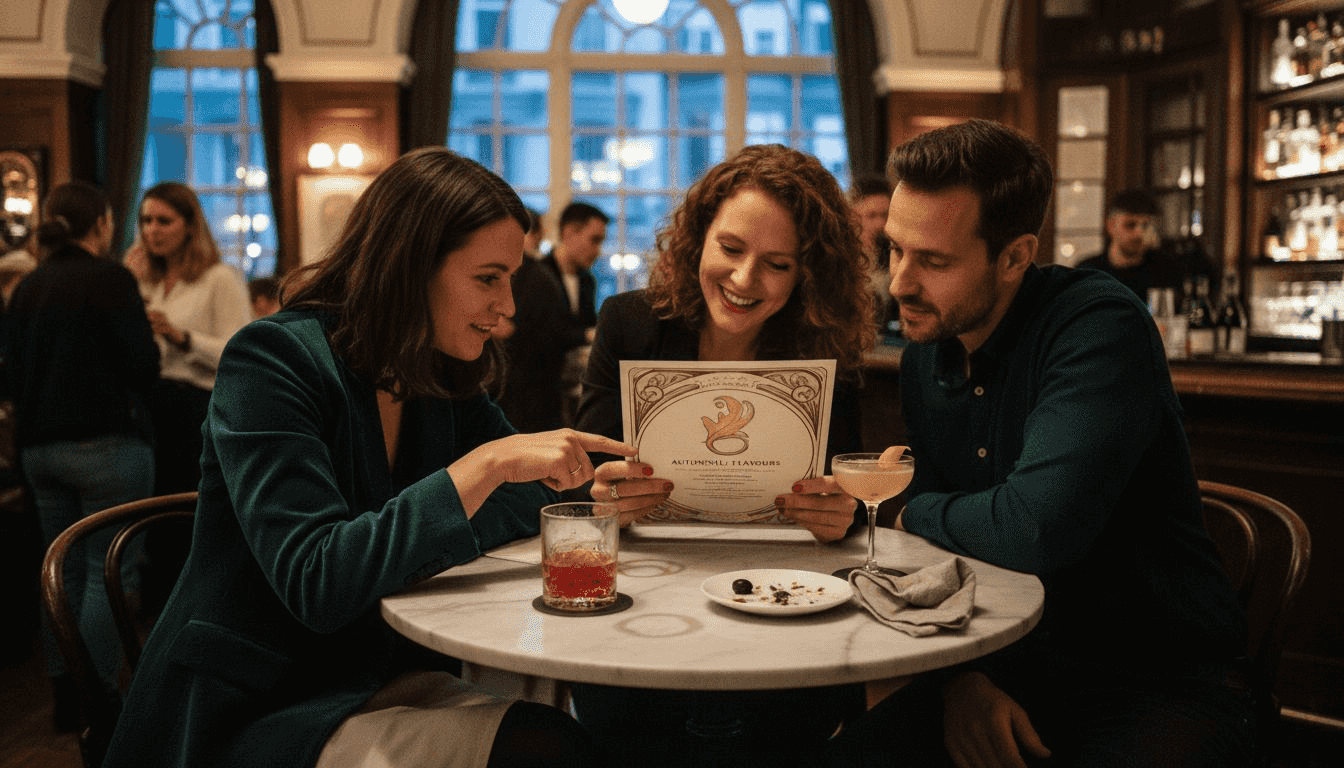
Thematic menus build narratives around specific concepts. Anise Bar centres its entire offering around spice-forward profiles, creating cohesive experiences where every cocktail explores different spice applications. This focused approach builds strong brand identity and attracts guests seeking specific flavour journeys.
Classic-focused venues take different approaches, emphasising technique and historical accuracy. These menus feature perfected versions of canonical cocktails, demonstrating mastery through execution rather than innovation. Guests appreciate consistency and craftsmanship, knowing each serve represents the definitive version.
Hybrid models combine core signatures with rotating seasonal sections. This strategy satisfies regular guests who want familiar favourites whilst providing novelty through limited-time offerings. The balance maintains operational efficiency because staff master core recipes whilst developing skills through seasonal experimentation.
| Menu style | Characteristics | Guest experience | Example venues |
|---|---|---|---|
| Thematic narrative | Unified concept across all serves | Immersive, educational journey | Anise Bar, The Ritz |
| Classic technique | Perfected canonical cocktails | Reliable, sophisticated | Traditional hotel bars |
| Seasonal rotation | Quarterly menu changes | Fresh, trend-conscious | Tayēr + Elementary |
| Hybrid core plus seasonal | Signature favourites with rotating specials | Balanced familiarity and novelty | Many contemporary venues |
The London nightlife cocktail bars guide reveals how venue atmosphere influences curation choices. Financial district bars serving professionals favour efficient classics that deliver quality without extended wait times. Creative neighbourhoods support experimental menus where guests expect unconventional combinations and presentation.
Signature cocktails guide principles apply across all approaches. Whether thematic or classic, successful curated menus feature drinks that guests cannot easily replicate at home or find elsewhere. This distinctiveness justifies premium pricing and builds venue reputation.
Seasonal curation particularly suits London’s climate and ingredient availability. Spring menus celebrate fresh herbs and floral notes. Summer emphasises citrus and refreshing profiles. Autumn introduces warming spices and darker spirits. Winter features rich, indulgent serves. This rhythm keeps menus aligned with guest preferences whilst showcasing bartender adaptability.
Pro tip: Seek bars with well-balanced innovation and service speed. The most impressive menus mean nothing if cocktails take fifteen minutes to arrive. Observe how quickly staff execute orders during busy periods. Efficient service indicates proper menu design where creativity does not compromise operational reality.
Practical tips to appreciate and choose curated drinks menus for your next night out
Navigating London’s cocktail scene becomes easier when you understand how to evaluate curated menus and select venues matching your preferences. These practical strategies help you identify quality offerings and maximise enjoyment during social outings.
Reading curated menus reveals significant information beyond drink names. Look for descriptive language that explains flavour profiles, key ingredients, and inspiration. Well-written descriptions help you make informed choices without interrogating bartenders. Organised categories indicate thoughtful structure rather than random compilation.
Evaluating menu balance ensures venues cater to diverse preferences within your group. Check for variety across these dimensions:
- Spirit bases covering gin, vodka, rum, whisky, tequila, and brandy
- Flavour profiles spanning citrus-forward, spirit-driven, sweet, bitter, and herbaceous
- Strength levels including full-strength, low-ABV, and non-alcoholic options
- Preparation styles featuring stirred, shaken, built, and blended techniques
The bar drinks selection in London context demonstrates how proper curation addresses practical guest needs alongside creative ambitions.
Choosing bars that match your social vibe requires considering several factors beyond drinks alone. Atmosphere, music volume, seating arrangements, and service style all impact whether a venue suits your occasion. After-work drinks demand different environments than celebration parties or intimate dates.
Follow this evaluation sequence when exploring new venues:
- Review online menus to assess curation quality and price positioning
- Check social media for recent posts showing actual serves and atmosphere
- Visit during off-peak times to experience service without crowds
- Order a signature cocktail to gauge execution quality and presentation
- Observe how staff handle busy periods and interact with regular guests
- Note ingredient freshness, glassware quality, and overall attention to detail
Hybrid menus with core signatures plus seasonal rotations offer particular value for repeat visits. You can explore new offerings whilst relying on proven favourites. This structure indicates venues committed to long-term guest relationships rather than chasing fleeting trends.
Practical guide suggests using 7 base spirits plus 5 seasonal modifiers for efficient rotation, tested in peak conditions, curated for venue vibe to build identity and repeat visits in competitive London scenes. This operational insight helps guests understand why certain menus work better than others.
Understanding London bar etiquette tips enhances your experience when visiting curated cocktail venues. Proper etiquette demonstrates respect for bartender craft whilst ensuring efficient service for all guests.
Consider events in cocktail bars when planning group celebrations or corporate functions. Venues with strong curation often provide superior private hire experiences because their operational excellence extends beyond individual serves to comprehensive event management.
Pro tip: Try non-alcoholic crafted options that match complexity. Top venues apply equal creativity to zero-proof cocktails, using sophisticated techniques and premium ingredients. These serves demonstrate true curation philosophy where every guest receives thoughtful attention regardless of alcohol preference.
Experience curated drinks at The 1 Bar London
After understanding what makes drinks menus genuinely curated, you can appreciate the expertise behind The 1 Bar London’s carefully designed cocktail selection. Located in the heart of London’s financial district at 18 Appold Street, The 1 Bar combines expertly crafted serves with vibrant atmosphere and live music performances.
The venue’s curated menu reflects the principles discussed throughout this guide, balancing classic technique with innovative seasonal offerings. Whether you seek after-work drinks with colleagues or celebration venues for special occasions, The 1 Bar delivers cohesive experiences where every element supports memorable social moments.
Explore opportunities for hosting events in cocktail bars through their comprehensive private hire services. The same curation philosophy that shapes their drinks menu extends to event planning, ensuring your gathering benefits from professional expertise and attention to detail. Visit private hire at The 1 Bar to discover how curated cocktail experiences elevate corporate functions and personal celebrations alike.
Frequently asked questions
What differentiates a curated drinks menu from a standard drinks list?
Curated menus demonstrate intentional design where every cocktail serves specific purposes within cohesive offerings aligned with bar identity. Standard lists simply catalogue available drinks without strategic consideration for balance, guest journey, or operational efficiency.
Why does curation matter for guest experience in London cocktail bars?
Curation reduces decision fatigue by presenting thoughtfully edited selections where every option meets quality standards. Guests trust that any choice delivers satisfying experiences rather than gambling on unfamiliar combinations. This confidence enhances enjoyment and encourages exploration beyond familiar favourites.
How many cocktails typically appear on properly curated menus?
Well-curated menus feature 7-10 categories with 5-8 items each, totalling 35-80 cocktails depending on venue size and concept. This range provides sufficient variety without overwhelming guests or compromising operational efficiency. Smaller focused menus often indicate stronger curation than extensive catalogues.
How do bars maintain menu variety whilst implementing seasonal changes?
Hybrid models combine core signature cocktails that remain year-round with rotating seasonal sections updated quarterly. This approach satisfies regular guests seeking familiar favourites whilst providing novelty through limited-time offerings that showcase seasonal ingredients and evolving bartender creativity. The bar drinks selection guide explores these strategies in detail.
Can curated menus accommodate dietary restrictions and preferences?
Properly curated menus include options spanning alcohol strengths, flavour profiles, and ingredient considerations. Top venues feature sophisticated non-alcoholic cocktails, low-sugar alternatives, and serves avoiding common allergens. Bartenders at quality establishments can modify recipes to accommodate specific requirements without compromising drink integrity.