
Many assume signature cocktails are simply fancy drinks with elaborate garnishes, but this misses their true significance. Signature cocktails define venue identity and transform event experiences through creativity and personalisation. They represent far more than visual appeal, embodying the character of a bar or occasion whilst creating lasting impressions for guests. This guide explores what signature cocktails genuinely are, how they differ from classics, and practical approaches to crafting memorable drinks for social gatherings and corporate functions in London.
Table of Contents
- What Is A Signature Cocktail? Defining The Concept
- How Signature Cocktails Differ From Classic Cocktails
- Creating Memorable Signature Cocktails: Ingredients, Presentation And Story
- The Role Of Signature Cocktails In Social And Corporate Events In London
- Explore Signature Cocktails And Live Music At The 1 Bar London
- Frequently Asked Questions
Key takeaways
| Point | Details |
|---|---|
| Custom identity | Signature cocktails are bespoke creations reflecting a venue’s or event’s unique character and brand |
| Beyond classics | Unlike standardised recipes, they incorporate local ingredients and personalised themes |
| Event enhancement | They serve as conversation starters and networking tools at corporate and social gatherings |
| Creative process | Successful creation balances ingredient selection, presentation, and compelling storytelling |
What is a signature cocktail? Defining the concept
A signature cocktail represents a custom, unique drink crafted specifically to embody the identity and creativity of a particular venue, event, or occasion. Unlike mass-produced beverages following standard formulas, these bespoke creations showcase distinctive flavour profiles, presentation styles, and ingredient combinations tailored to reflect specific themes or clientele preferences. Signature cocktails uniquely represent the identity and creativity of bars or events beyond classic recipes.
The fundamental difference from classic cocktails lies in their purpose and composition. Classic cocktails like the Martini or Negroni follow established recipes recognised globally, maintaining consistent preparation methods across venues. Signature cocktails, conversely, emerge from deliberate innovation, often incorporating local spirits, seasonal produce, or ingredients aligned with a venue’s geographical location or cultural context. A cocktail bar concept thrives when signature offerings distinguish it from competitors.
These drinks serve multiple strategic functions:
- Establish memorable brand identity for bars and restaurants
- Create talking points that enhance guest engagement
- Reflect seasonal availability and local sourcing priorities
- Demonstrate mixology expertise and creative capability
- Generate social media interest through visual appeal
Pro Tip: When developing signature cocktails, focus on balancing familiarity with novelty. Guests appreciate recognisable base spirits combined with unexpected ingredients that surprise without overwhelming their palate.
The creation process typically begins with understanding the target audience and occasion. A corporate event signature cocktail might emphasise sophistication and elegance, whilst a summer garden party could feature lighter, refreshing profiles with vibrant colours. Successful signature drinks tell stories, whether referencing historical events, celebrating local heritage, or embodying seasonal characteristics that resonate with guests on multiple sensory levels.
Venues investing in signature cocktail development often see enhanced customer loyalty and increased word-of-mouth recommendations. These drinks become synonymous with the establishment itself, encouraging repeat visits from patrons seeking that specific experience unavailable elsewhere. The exclusivity factor transforms ordinary drinking occasions into memorable events worthy of discussion and social sharing.
How signature cocktails differ from classic cocktails
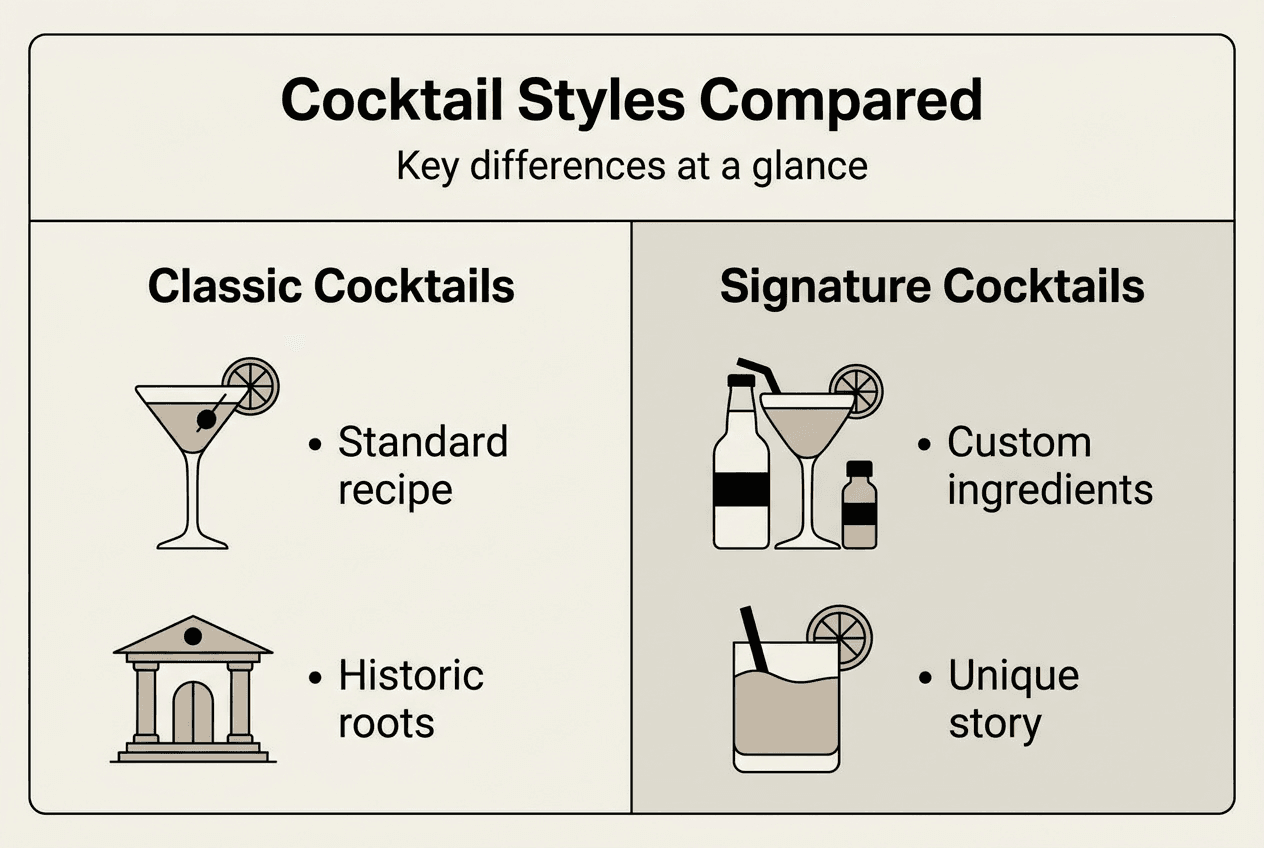
Understanding the distinction between signature and classic cocktails clarifies why venues invest resources in developing bespoke drinks. Classic cocktails represent established recipes with standardised ingredients and preparation methods recognised internationally. The Old Fashioned, Manhattan, and Daiquiri maintain consistent formulations whether served in Tokyo, New York, or London. Their appeal rests on familiarity, quality execution, and timeless flavour profiles perfected over decades or centuries.
Signature cocktails operate under entirely different principles. They emerge from creative experimentation, reflecting contemporary trends, local ingredient availability, and specific venue personalities. Signature cocktails provide a distinctive guest experience compared to traditional classics commonly found on menus. This fundamental difference shapes how bartenders approach recipe development and how guests perceive value.
| Aspect | Classic Cocktails | Signature Cocktails |
|---|---|---|
| Recipe | Standardised, globally recognised formulas | Custom creations unique to venue or event |
| Creativity | Limited variation from established templates | Unlimited creative freedom and experimentation |
| Purpose | Deliver consistent, familiar experiences | Showcase identity, innovation, and exclusivity |
| Ingredients | Traditional spirits and mixers | Often incorporate local, seasonal, or unusual components |
| Guest Appeal | Comfort through recognition | Excitement through novelty and personalisation |
The creative latitude afforded signature cocktails enables bartenders to incorporate unexpected elements. Infused spirits, house-made syrups, unusual garnishes, and presentation techniques transform drinking into theatrical experiences. A bar drinks menu guide helps venues balance classic offerings with innovative signatures.
Classic cocktails provide benchmarks against which bartenders demonstrate technical proficiency. Executing a perfect Martini requires precision, quality ingredients, and understanding of dilution and temperature. Signature cocktails, however, showcase imagination and risk-taking ability. They allow mixologists to experiment with flavour combinations that challenge conventional expectations whilst maintaining balance and drinkability.
Another key distinction involves exclusivity. Guests can order a Mojito anywhere, but a signature creation exists only at one location or event. This scarcity increases perceived value and creates urgency around experiencing the drink before it disappears. Limited-time signatures tied to seasons or special occasions further enhance this exclusivity factor.
The storytelling potential differs dramatically between categories. Classic cocktails carry historical narratives about their origins, but signature drinks tell contemporary stories about the venue, mixologist, or occasion. These narratives deepen guest connections, transforming simple beverage consumption into meaningful experiences that guests remember and share.
Creating memorable signature cocktails: Ingredients, presentation and story
Crafting signature cocktails that genuinely resonate requires attention to three interconnected elements: ingredient selection, visual presentation, and narrative context. Each component contributes to the overall impact, transforming a simple drink into a memorable experience that guests discuss long after the event concludes.
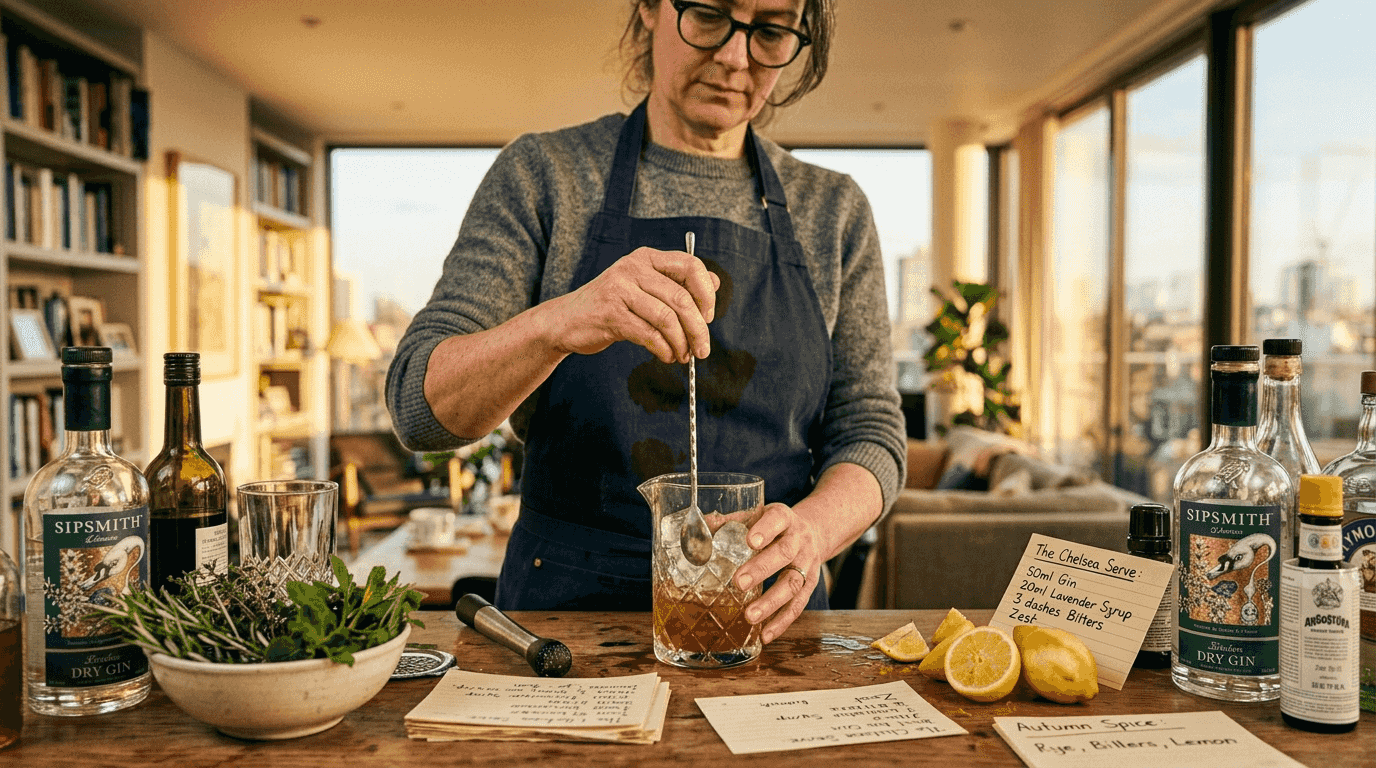
Ingredient selection forms the foundation of any successful signature cocktail. Start by considering the event theme, season, and guest preferences. Summer gatherings benefit from lighter spirits like gin or vodka paired with fresh citrus and herbs, whilst winter occasions suit darker spirits such as whisky or rum combined with warming spices. Local ingredients add authenticity and support regional producers, creating talking points about provenance and sustainability.
Presentation techniques dramatically influence first impressions. Glassware choice communicates sophistication levels, with coupe glasses suggesting elegance whilst highball glasses convey casual approachability. Garnishes should enhance both visual appeal and flavour profiles rather than serving purely decorative purposes. Fresh herb sprigs, dehydrated citrus wheels, or edible flowers add colour and aroma that prepare guests for the tasting experience.
The storytelling dimension separates forgettable drinks from memorable ones. A carefully crafted signature cocktail contributes significantly to event atmosphere and networking success. Narratives might reference historical events, celebrate local landmarks, or honour individuals connected to the occasion. These stories provide conversation starters that facilitate guest interactions and create shared experiences.
Developing signature cocktails follows a systematic process:
- Research flavour profiles complementing the event theme or venue identity
- Experiment with ingredient combinations, documenting ratios and techniques
- Test recipes with diverse palates to gather feedback
- Refine based on responses, adjusting sweetness, acidity, and strength
- Finalise presentation elements including glassware, garnish, and serving method
- Train staff on preparation consistency and storytelling elements
Pro Tip: Balance remains crucial in signature cocktail creation. Aim for harmony between sweet, sour, bitter, and alcoholic components. Start with classic ratios as templates, then adjust incrementally rather than making dramatic changes that destabilise the entire composition.
Consistency challenges often emerge when scaling signature cocktails for larger events. Pre-batching certain components like syrups, infusions, or juice blends ensures uniformity across multiple servings whilst reducing preparation time during service. This approach maintains quality standards even when serving hundreds of guests simultaneously.
Successful cocktail mixing workflow for events requires planning and organisation. Document recipes precisely, including specific brands, measurements, and techniques. Ambiguity leads to inconsistency, undermining the signature cocktail’s purpose as a distinctive, repeatable experience that defines the venue or occasion.
The role of signature cocktails in social and corporate events in London
London’s vibrant event landscape increasingly recognises signature cocktails as essential elements rather than optional extras. These bespoke drinks elevate gatherings from ordinary to extraordinary, creating distinctive atmospheres that facilitate networking, celebration, and meaningful connections amongst attendees. Signature cocktails play a key role in enhancing guest experience and fostering better networking at events.
Corporate events particularly benefit from signature cocktail integration. Product launches, client appreciation evenings, and team celebrations gain cohesion when drinks reflect company branding, values, or campaign themes. A technology firm might feature cocktails with molecular gastronomy elements, whilst a sustainability-focused organisation could showcase organic spirits and zero-waste garnishes. These thoughtful alignments reinforce brand messages subtly yet effectively.
The icebreaker function proves invaluable at networking events where attendees may not know each other. Unique cocktails provide immediate conversation topics, reducing social awkwardness and encouraging interactions. Guests naturally discuss flavour profiles, ingredient origins, and presentation techniques, creating organic dialogue that transitions smoothly into professional discussions and relationship building.
Incorporating signature drinks into London event planning follows several strategic steps:
- Define event objectives and identify how cocktails support those goals
- Collaborate with experienced mixologists to develop drinks reflecting themes
- Consider dietary restrictions and preferences, offering non-alcoholic alternatives
- Plan presentation elements that photograph well for social media sharing
- Brief serving staff on cocktail stories to enhance guest engagement
- Gather feedback post-event to refine future offerings
Exclusivity enhances perceived event value. When guests recognise they’re experiencing something unavailable elsewhere, they feel privileged and appreciated. This emotional response strengthens connections between attendees and hosts, whether those hosts represent corporations, social organisations, or private individuals celebrating milestones.
Memorability directly impacts event success metrics. Guests remember distinctive experiences more readily than generic ones, increasing likelihood of positive word-of-mouth recommendations and repeat attendance at future gatherings. Signature cocktails contribute significantly to this memorability, serving as tangible representations of the care and creativity invested in event planning.
London venues specialising in signature cocktail experiences understand these dynamics intimately. A bar hire guide for London events helps organisers navigate options and maximise impact. Professional venues offer expertise in scaling signature drinks for various group sizes whilst maintaining quality and presentation standards that reflect well on event hosts.
The return on investment for signature cocktails extends beyond immediate event success. Guests sharing experiences on social media platforms generate organic marketing reach, exposing brands and venues to wider audiences. Compelling visuals and intriguing descriptions spark curiosity amongst viewers, potentially driving future bookings and venue visits from individuals who weren’t original attendees.
Explore signature cocktails and live music at The 1 Bar London
Experiencing signature cocktails reaches new heights when combined with live music in sophisticated London settings. The 1 Bar exemplifies this perfect pairing, offering expertly crafted bespoke drinks alongside vibrant musical performances that transform ordinary evenings into extraordinary occasions. Located in London’s financial district, this venue understands how signature cocktails enhance both casual socialising and formal corporate gatherings.
Whether planning intimate celebrations or large-scale networking events, The 1 Bar London live music and cocktails delivers experiences that guests remember long after the final sip. The venue’s mixology team specialises in creating custom drinks that reflect event themes whilst maintaining the high standards London professionals expect. Discover why leading organisations choose to host events in cocktail bars for networking success, where signature drinks facilitate meaningful connections in relaxed yet refined atmospheres.
Explore private hire options at The 1 Bar to transform your next corporate function or social celebration into an unforgettable experience. The dedicated events team collaborates closely with clients to develop signature cocktails that embody brand values, celebrate milestones, or simply delight guests with unexpected flavour combinations and stunning presentations.
Frequently asked questions
What makes a cocktail a signature cocktail?
A signature cocktail becomes distinctive through its unique recipe created specifically for a venue, event, or occasion rather than following established classic formulas. These drinks typically incorporate custom ingredients, presentation styles, or flavour profiles that reflect the identity and creativity of their creators. The exclusivity and personalisation distinguish them from standard menu offerings available at multiple locations.
Can anyone create a signature cocktail?
Anyone with creativity and basic understanding of flavour balance can develop signature cocktails for personal events or home entertaining. Successful creations require experimenting with ingredient combinations, testing recipes, and refining based on feedback. Professional bartenders offer valuable expertise in achieving proper balance, scaling recipes for larger groups, and ensuring consistent quality across multiple servings.
Why are signature cocktails important for corporate events?
Signature cocktails enhance corporate event branding by creating memorable experiences that reflect company values and occasion significance. They serve as effective conversation starters, reducing networking awkwardness and facilitating organic interactions amongst attendees. The exclusivity and thoughtfulness demonstrated through custom drinks strengthen guest appreciation and increase likelihood of positive event recall and social media sharing.
How do venues develop signature cocktail menus?
Venues typically develop signature menus through collaborative processes involving head bartenders, management, and sometimes guest feedback. The development considers seasonal ingredient availability, target clientele preferences, brand positioning, and differentiation from competitors. Successful venues regularly refresh offerings to maintain novelty whilst retaining popular signatures that become synonymous with their identity and attract repeat visitors.