
Planning a corporate gathering or social celebration often centres on venue, catering, and entertainment, yet one element frequently underestimated can make or break your event: the drinks service. Whether you’re organising a networking session for 50 professionals or a celebration for 200 guests, beverages influence atmosphere, social dynamics, and overall satisfaction more profoundly than most planners realise. This guide explores how strategic drink planning, from bar layout to inclusive options, transforms ordinary events into memorable experiences that guests discuss long after they leave.
Table of Contents
- Key takeaways
- Why drinks are vital to your event’s atmosphere and success
- Planning beverage service for seamless flow and guest satisfaction
- Ensuring inclusivity with non-alcohol and low-alcohol options
- Using curated drinks to enhance event branding and revenue
- Discover premium drinks and venues for your next London event
- Frequently asked questions about the role of drinks in events
Key Takeaways
| Point | Details |
|---|---|
| Strategic bar layout | Careful placement of multiple drink stations throughout the venue reduces bottlenecks and keeps guests moving. |
| Inclusive drink options | Non alcoholic options positioned prominently signal inclusivity from the start. |
| Efficient staffing | Ensure adequate mixologists and support staff to prevent queues and enable timely service. |
| Pre event planning | Conduct tastings and batch signature drinks before the event to speed service during peak periods. |
| Curated drinks programme | A well curated beverage programme elevates atmosphere and enhances guest enjoyment. |
Why drinks are vital to your event’s atmosphere and success
Beverages serve as social catalysts that fundamentally shape how guests interact and remember your event. Research demonstrates that alcohol lubricates social bonds when consumed in moderated settings, fostering connections that might not occur naturally in purely sober environments. This scientific backing explains why cocktail receptions consistently outperform other networking formats for relationship building.
The psychological impact extends beyond simple intoxication. When guests hold an attractive drink, they feel more comfortable approaching strangers and participating in conversations. Visual elements matter enormously: a champagne tower creates instant spectacle and conversation starters, whilst signature cocktails in distinctive glassware become Instagram moments that extend your event’s reach beyond the venue walls. These sensory experiences trigger positive emotional associations that guests link directly to your brand or occasion.
Balanced service remains crucial. Whilst moderate alcohol consumption enhances social enjoyment, responsible planning prevents the risks associated with overserving. Consider these essential elements:
- Welcome drinks upon arrival set a celebratory tone immediately
- Strategic drink stations encourage movement and mingling throughout the space
- Non-alcoholic options positioned prominently signal inclusivity from the start
- Trained staff who can read guest behaviour and adjust service accordingly
Pro Tip: Partner with venues that understand better networking in cocktail bars through their layout and service philosophy, rather than treating drinks as an afterthought.
The atmosphere you create through drinks directly influences whether guests stay for the planned duration or leave early. Events with thoughtfully curated beverage programmes consistently achieve higher satisfaction scores and generate more positive word-of-mouth recommendations than those with basic bar service.
Planning beverage service for seamless flow and guest satisfaction
Operational excellence in drink service requires meticulous advance planning that accounts for guest numbers, event duration, and venue layout. For gatherings exceeding 200 attendees, multiple strategic bar stations prevent bottlenecks that frustrate guests and disrupt the event flow you’ve carefully designed.
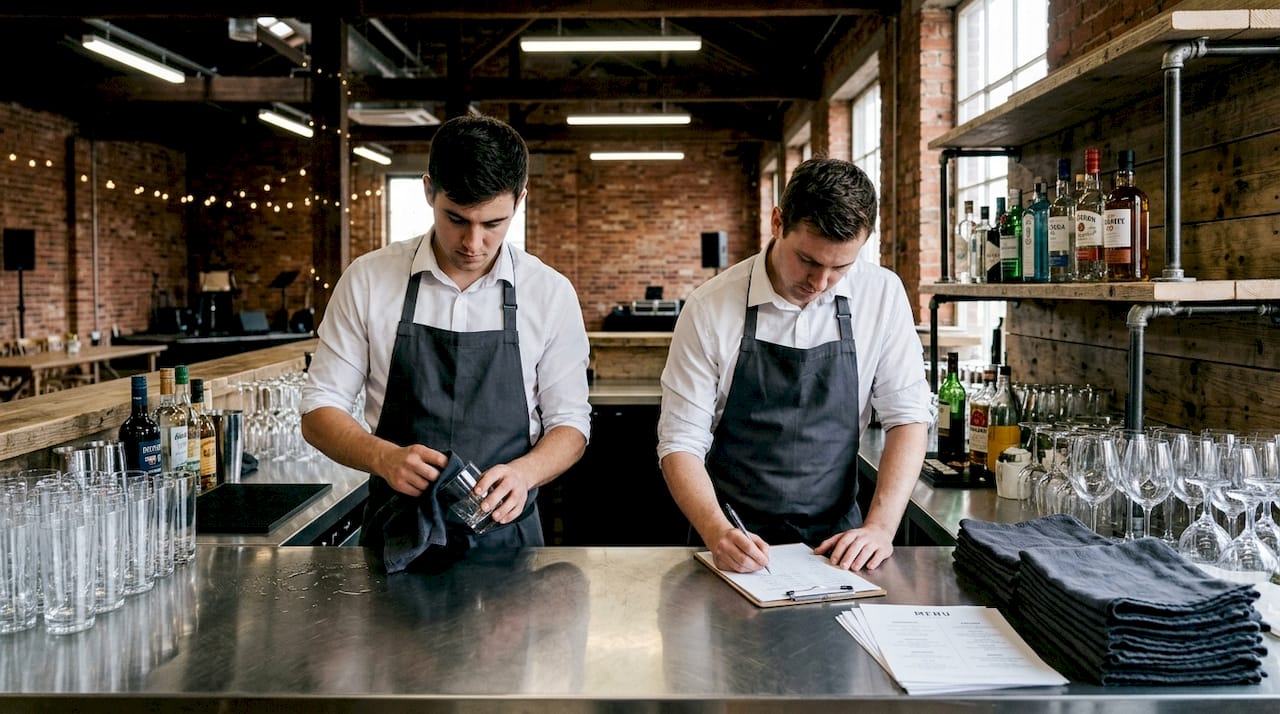
Staffing calculations determine service quality more than any other factor. Industry benchmarks indicate that one mixologist serves approximately 60 cocktails per hour, meaning a three-hour event for 100 guests requires at least two mixologists plus support staff for restocking and glassware management. Understaffing creates queues that discourage guests from ordering subsequent drinks, whilst overstaffing wastes budget without improving experience.
| Guest count | Event duration | Recommended mixologists | Support staff |
|---|---|---|---|
| 50-75 | 3 hours | 1-2 | 1 |
| 100-150 | 3 hours | 2-3 | 1-2 |
| 200+ | 3 hours | 4+ | 2-3 |
Pre-event preparation dramatically improves service speed and consistency. Conduct tastings with your bar team to finalise recipes, then batch signature cocktails where possible to reduce per-drink preparation time during peak service periods. This approach maintains quality whilst preventing the queue buildup that occurs when every drink requires individual mixing from scratch.
Bar placement strategy should account for natural guest movement patterns. Position stations near entrances for welcome drinks, in conversation areas to encourage lingering, and away from food service to prevent congestion at multiple service points. Consider these placement principles:
- Avoid positioning bars directly opposite each other, which creates crossing traffic patterns
- Place bars perpendicular to main traffic flow to allow queue formation without blocking movement
- Ensure adequate space behind bars for staff to work efficiently without bumping into each other
- Provide clear sightlines so guests can easily locate available bars from anywhere in the venue
Pro Tip: Implement a welcome drink strategy where staff circulate with trays during the first 30 minutes, allowing guests to collect drinks without queuing and encouraging them to move deeper into the venue space.
Data tracking transforms drink service from guesswork into science. Monitor drinks served per hour, average wait times, and popular versus unpopular options to refine your approach for future events. This intelligence allows you to adjust staffing, menu offerings, and bar placement based on evidence rather than assumptions. Venues with sophisticated systems can provide these insights, helping you optimise every aspect of beverage service. Explore comprehensive bar hire guide for London events to understand professional workflows.
Ensuring inclusivity with non-alcohol and low-alcohol options
Roughly one quarter of event attendees abstain from alcohol entirely, whether for health, religious, cultural, or personal preference reasons. Failing to accommodate these guests with equally appealing alternatives signals that their presence matters less, creating an exclusionary atmosphere that contradicts the welcoming environment most organisers aim to achieve.
True inclusivity requires more than token gestures. Avoid sober shaming by giving non-alcoholic options equal prominence and training staff to present them with the same enthusiasm they bring to alcoholic drinks. Non-drinkers should never feel they’re settling for inferior options or receiving less attention from bartenders.
Menu design plays a critical role in inclusivity. Offer sophisticated non-alcoholic cocktails with complex flavour profiles that rival their alcoholic counterparts, not just soft drinks and juice. Consider these elevated alternatives:
- Botanical mocktails featuring herbs, spices, and premium mixers
- Alcohol-free spirits that mimic gin, rum, or whisky characteristics
- Kombucha-based drinks that provide complexity and visual appeal
- House-made sodas with fresh ingredients and interesting flavour combinations
Staff training ensures consistent inclusive service. Bartenders should understand how to discuss non-alcoholic options knowledgeably, never questioning why someone chooses not to drink, and serving mocktails in the same glassware as cocktails to avoid visual differentiation that might make guests uncomfortable. This training extends to all service staff, not just those behind the bar.
Pro Tip: Create a dedicated non-alcoholic section on your drinks menu with creative names and detailed descriptions, positioning these options as premium choices rather than alternatives for people who can’t drink alcohol.
Complementary activities support inclusive environments beyond just drink options. Incorporate engaging elements that don’t centre on alcohol consumption, such as interactive food stations, live music performances, or networking games that keep energy high regardless of what guests are drinking. This approach recognises that social connection, not alcohol itself, drives successful events. Review drinks menu and style tips to understand how professionals balance alcoholic and non-alcoholic offerings.
London’s wellness trends increasingly influence corporate event expectations. Forward-thinking planners recognise that supporting guests’ health choices strengthens rather than diminishes event atmosphere, creating environments where everyone feels comfortable and valued regardless of their drinking preferences.
Using curated drinks to enhance event branding and revenue
Strategically designed beverage programmes function as powerful branding tools that reinforce event identity whilst generating significant ancillary revenue. Data shows curated drinks drive 45% of event feedback and increase satisfaction scores by 9%, with direct correlation to higher per-guest spending on both drinks and related services.
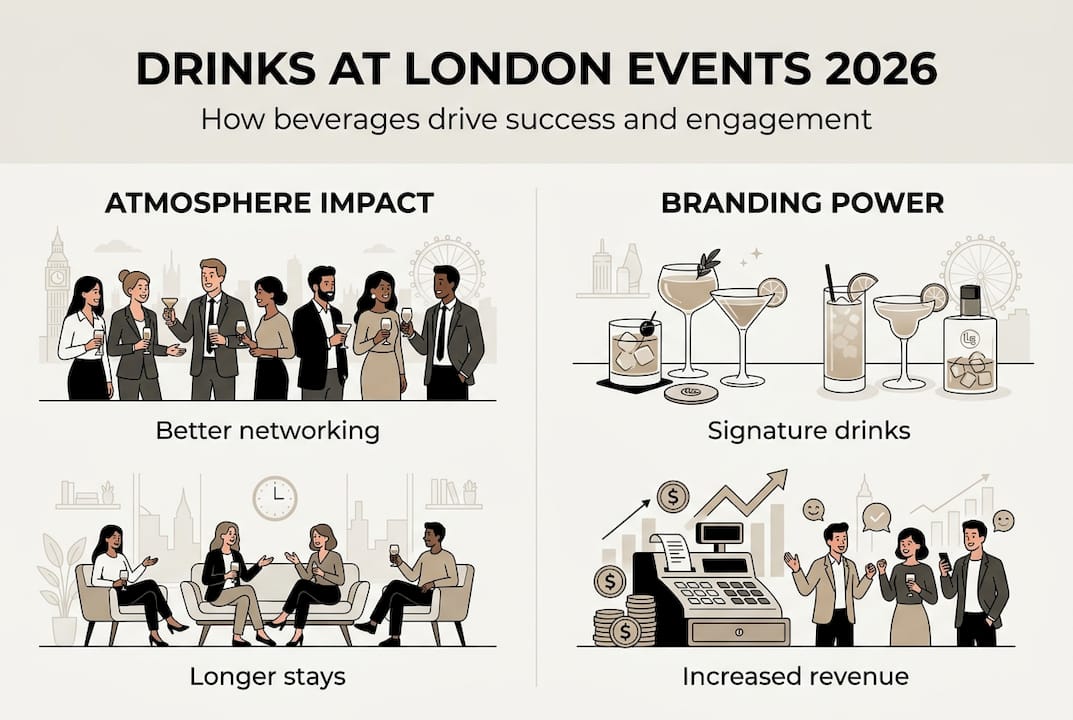
Signature cocktails transform generic bar service into memorable brand experiences. Design drinks that reflect your event theme, company colours, or celebration purpose through carefully selected ingredients, garnishes, and presentation styles. A product launch might feature a cocktail incorporating the new item’s key flavour notes, whilst a corporate anniversary could reference the founding year through vintage spirits or historical cocktail recipes.
Revenue optimisation requires understanding bar economics. High-end bars track metrics including drinks per hour, average transaction value, and upsell success rates to maximise profitability without compromising guest experience. Apply these principles to event planning:
| Metric | Target | Revenue impact |
|---|---|---|
| Drinks per guest | 2-3 over 3 hours | Baseline revenue |
| Premium upsell rate | 25-30% | Increases average spend by £4-6 per guest |
| Signature cocktail adoption | 40-50% | Drives higher margins and memorable experiences |
Visual presentation creates Instagram-worthy moments that extend your event’s marketing reach organically. Champagne towers, smoke-infused cocktails, or drinks served in unexpected vessels generate social media content that promotes your brand long after guests leave. This organic reach often exceeds paid advertising value, making premium drink presentation a marketing investment rather than mere decoration.
Implement these revenue-enhancing strategies:
- Offer tiered drink packages with clear value propositions at each level
- Train staff on upselling techniques that feel helpful rather than pushy
- Create limited-edition drinks available only at your event to drive urgency
- Use premium spirits in signature cocktails to justify higher price points
- Design drinks with Instagram appeal that guests want to photograph and share
Pro Tip: Partner with spirit brands for sponsorship opportunities where they provide premium products at reduced cost in exchange for prominent placement and social media mentions, reducing your beverage costs whilst elevating perceived value.
Curated drinks also serve as conversation starters that facilitate networking. Guests discussing an unusual cocktail ingredient or debating their favourite drink from the menu engage in low-stakes social interaction that often leads to deeper professional connections. This social lubrication justifies premium investment in drink programmes for corporate events where relationship building drives ROI. Explore signature cocktails guide for detailed approaches to creating memorable drink experiences.
Discover premium drinks and venues for your next London event
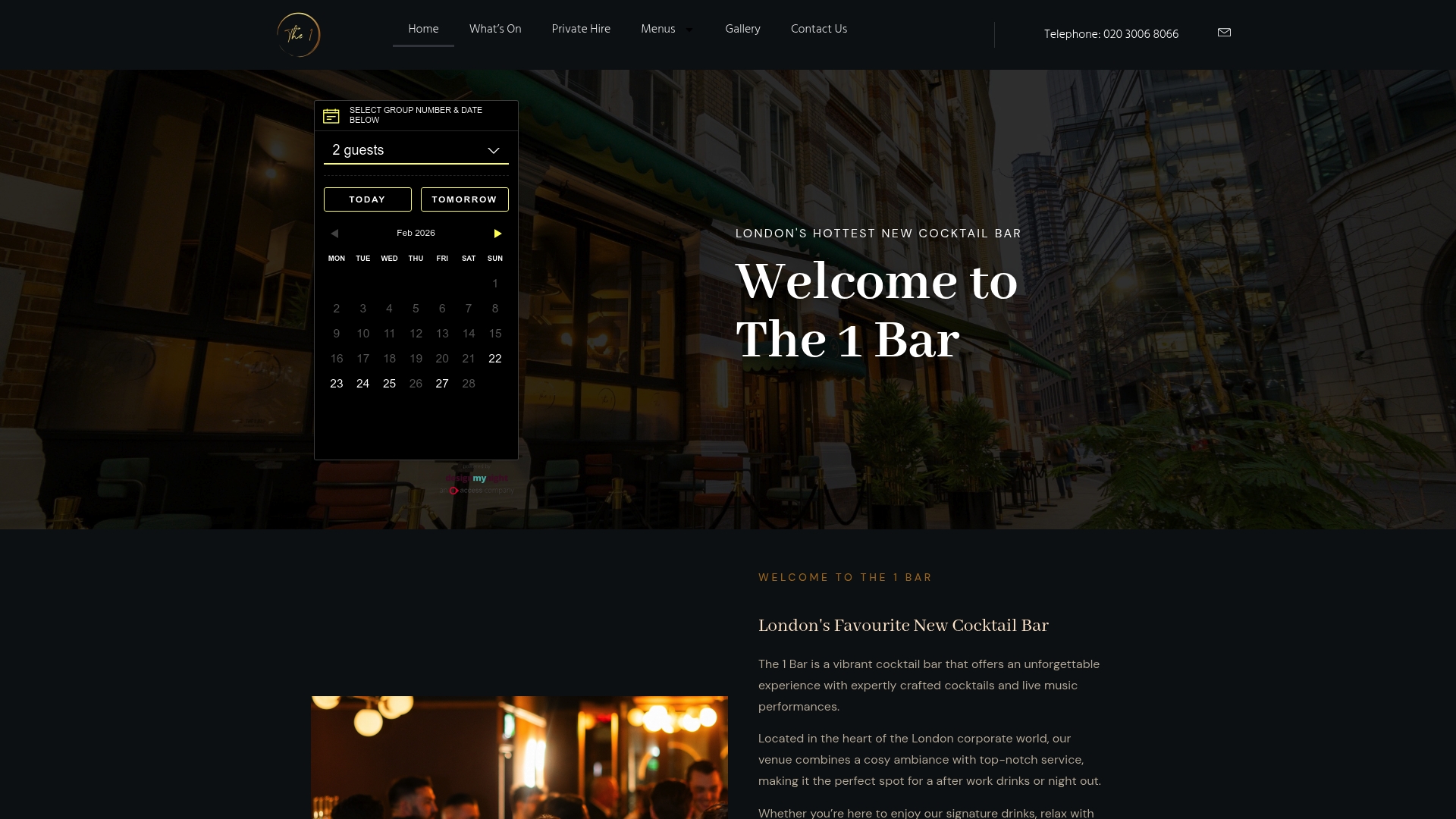
Elevating your event through exceptional beverage service requires partnering with venues and suppliers who understand drinks as central to guest experience, not peripheral amenities. The 1 Bar London combines expertly crafted cocktails with live music performances in the heart of the financial district, creating vibrant atmospheres perfect for corporate gatherings and social celebrations.
Professional bar hire services bring systematic workflows that ensure consistent quality across events of any size. From initial menu consultation through final service delivery, experienced providers handle logistics that overwhelm planners attempting to coordinate drinks alongside dozens of other event elements. Review the comprehensive bar hire guide for London events to understand how professional services streamline planning whilst elevating results.
Curated menus designed by experienced mixologists transform standard bar service into signature experiences that guests remember and discuss. Explore curated drinks menu guide to see how thoughtful drink design amplifies event impact and supports your broader objectives, whether networking, celebration, or brand building.
Frequently asked questions about the role of drinks in events
How many bar staff do I need for a 150-guest corporate event?
For a three-hour cocktail reception serving 150 guests, plan for three mixologists and two support staff minimum. This ratio ensures guests wait no more than five minutes during peak service periods whilst maintaining drink quality and allowing staff to engage professionally with attendees.
What percentage of my event budget should go towards drinks?
Allocate 20-25% of your total event budget to beverages for cocktail receptions where drinks are the primary focus. For events with substantial food service, drinks typically represent 15-20% of budget. Premium events with signature cocktails and top-shelf spirits may justify 25-30% allocation.
How can I make non-drinkers feel included without highlighting their choice?
Serve non-alcoholic options in identical glassware, give them equal menu prominence with creative names, and train staff never to question why someone orders a mocktail. Include engaging activities beyond drinking, and ensure your welcome drink options include sophisticated non-alcoholic choices presented with the same enthusiasm as alcoholic drinks.
Should signature cocktails replace a full bar or complement it?
Offer 2-3 signature cocktails alongside a streamlined full bar with core spirits, wine, and beer. This approach gives guests choice whilst encouraging most to try your curated options. Signature drinks should represent 40-50% of total alcohol orders if designed and promoted effectively.
How do I prevent queues at the bar during my event?
Position multiple bar stations for events over 150 guests, serve welcome drinks via circulating staff during arrivals, batch signature cocktails in advance, and staff appropriately at one mixologist per 50-60 guests. Strategic placement away from entrances and food stations prevents congestion from overlapping service points.