
TL;DR:
- Choosing the right mixer enhances the spirit’s character and fits the cocktail style.
- Classic mixers like tonic, soda, ginger beer, cola, and lemonade are essential for any home bar.
- Modern options such as cold-pressed juices and kombucha add unique flavors for creative cocktails.
Standing in front of a well-stocked spirits shelf is exciting. But reaching for the wrong mixer can flatten even the finest gin or rum into something forgettable. Most home bartenders in London spend generously on their base spirits yet give little thought to what goes alongside them. That imbalance is where great cocktails quietly fall apart. This guide cuts through the confusion by walking you through how to select mixers with purpose, which classics deserve a permanent spot in your fridge, which modern options are genuinely worth exploring, and how to match everything to the occasion you’re hosting.
Table of Contents
- How to choose the perfect cocktail mixer
- Classic mixers and their best uses
- Creative and modern mixer options
- Cocktail mixer comparison table: Classic vs creative
- Situational recommendations: Match mixers to your event
- A bartender’s take: What truly elevates your cocktail game at home
- Discover London’s cocktail culture at The 1 Bar
- Frequently asked questions
Key Takeaways
| Point | Details |
|---|---|
| Mixer selection matters | The right mixer enhances spirits and can turn ordinary drinks into impressive serves. |
| Classic and creative options | Combining staple and modern mixers covers all cocktail needs for London hosts. |
| Match mixer to occasion | Tailor your mixer choice based on event type, guest tastes, and drink complexity. |
| Technique tops all | Attention to balance, presentation, and fresh ingredients makes any mixer shine. |
How to choose the perfect cocktail mixer
Choosing a mixer is not simply about grabbing whatever is on offer at the supermarket. The mixer you select does real work: it shapes the aroma, adjusts the sweetness, adds texture, and either amplifies or suppresses the character of your base spirit. Get it right and a modest bottle of gin becomes something guests talk about. Get it wrong and an expensive whisky disappears into a sugary muddle.
Start by thinking about the spirit you are working with. Light, floral spirits like gin and vodka respond beautifully to subtle mixers that let their botanicals breathe. Darker, more assertive spirits like bourbon or dark rum can handle bolder mixers with stronger flavour profiles. This pairing logic is the foundation of every good cocktail decision.
Next, consider the cocktail style. Classic serves such as a gin and tonic or a Moscow mule have established mixer conventions for good reason. Experimental cocktails, on the other hand, invite you to break those conventions deliberately. Knowing which category you are working in helps you decide whether to follow the rules or bend them.
For London home bartenders, premium tonics such as Fever-Tree are widely available and make a measurable difference in G&Ts and mules. You should also think about your gin preference and mixer trends before committing to a single tonic style, as different gins respond differently to dry, aromatic, or Mediterranean varieties.
Key criteria to evaluate any mixer:
- Flavour compatibility: Does it complement or clash with your spirit?
- Sweetness level: Too sweet and the drink becomes cloying; too dry and it may feel harsh
- Carbonation: Fizz adds lift and freshness, but not every cocktail benefits from it
- Botanical content: Some tonics and sodas carry their own herbal notes that interact with the spirit
- Availability: A mixer you cannot reliably restock is a problem for regular entertaining
Pro Tip: Chill your mixer thoroughly before serving. A warm tonic releases its carbonation faster, flattening the drink before your guest has taken a second sip.
Classic mixers and their best uses
Now that we have a selection framework, let’s break down which time-tested mixers no home bar should be without. These are the workhorses of cocktail making, and their longevity is entirely earned.
Tonic water is the cornerstone of any gin-focused home bar. Its gentle bitterness from quinine creates that familiar, refreshing contrast against botanical gins. Club soda is arguably the most versatile mixer in existence: it adds fizz without flavour, making it ideal for anything from a simple highball to a paloma. Ginger beer brings warmth and spice, pairing brilliantly with vodka in a Moscow mule and with dark rum in a Dark and Stormy. Cola is a crowd-pleaser that works with bourbon, rum, and even some aged tequilas. Lemonade offers sweetness and citrus brightness, making it the natural partner for vodka and lighter gins.
Classic mixers and their ideal pairings:
- Tonic water: Gin, vodka, light aperitifs
- Club soda: Whisky highballs, palomas, spritz-style drinks
- Ginger beer: Vodka, dark rum, bourbon
- Cola: Bourbon, dark rum, aged tequila
- Lemonade: Vodka, elderflower gin, fruit-forward spirits
Understanding London drinks selection basics helps you see why these five mixers appear on virtually every professional back bar. They are not there by accident. They cover the broadest range of spirits and guest preferences with the least complexity.
“Premium tonics like Fever-Tree can elevate a basic gin and tonic to a bar-worthy serve at home.”
That shift from ordinary to impressive does not require expensive spirits. It requires better decisions about what goes into the glass alongside them. If you want to see how cocktails and London’s nightlife have evolved together, you will notice that classic mixers have remained central even as everything else has changed.
Creative and modern mixer options
After classic staples, adventurous bartenders can expand their repertoire with inventive and modern mixers. These options are not gimmicks. Used thoughtfully, they create genuinely distinctive drinks that guests remember.
Cold-pressed juices such as cucumber, watermelon, or blood orange bring vivid, natural flavour without the artificial sweetness of commercial cordials. Coconut water adds a subtle tropical note and natural electrolytes, pairing surprisingly well with light rum and tequila. Kombucha is one of the most interesting modern mixers available: its gentle acidity and slight effervescence work beautifully with gin and vodka, and its fermented depth adds complexity that no bottled tonic can replicate. House-made infusions, such as a rosemary and honey syrup or a chilli-infused simple syrup, allow you to personalise every drink to your guests’ tastes.
Modern mixers and their cocktail applications:
- Cold-pressed cucumber juice: Gin, vodka, elderflower liqueur
- Coconut water: White rum, tequila, pineapple-forward serves
- Kombucha (ginger or berry): Gin, vodka, light whisky
- Flavoured sodas (hibiscus, yuzu): Tequila, mezcal, aperitifs
- House-made syrups: Any spirit, used as a sweetening and flavouring agent
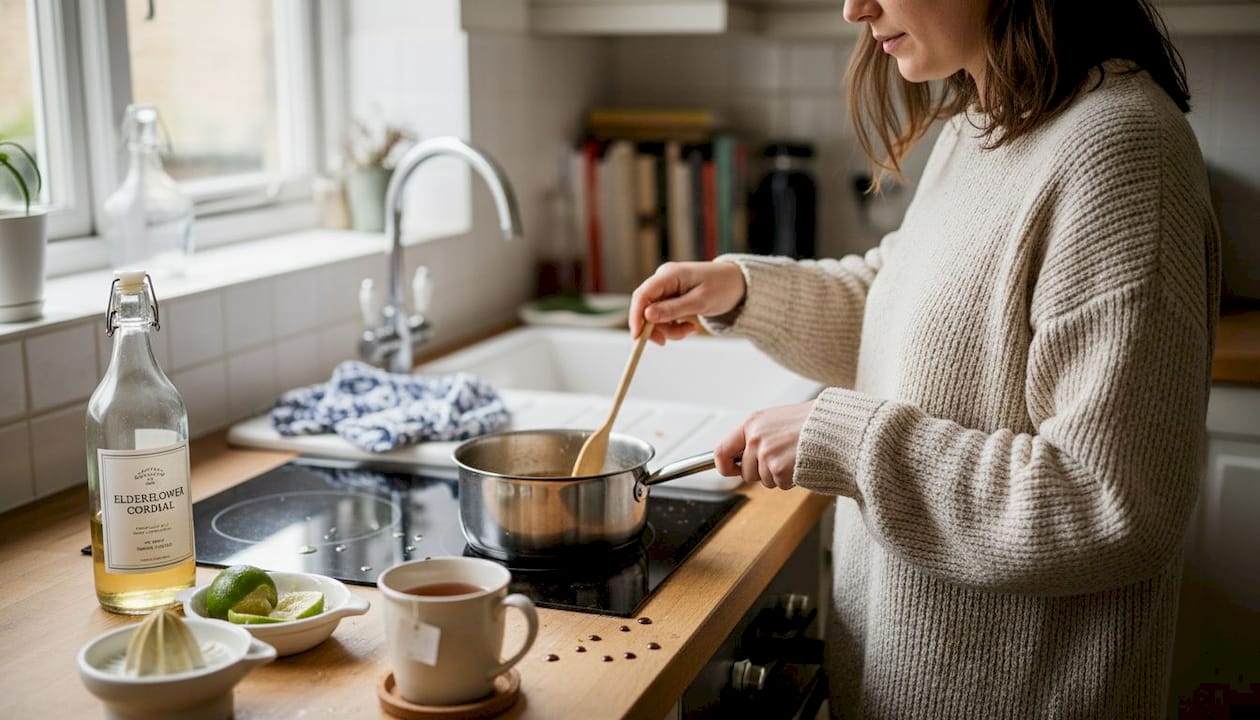
Concentrates and high-quality syrups allow London home bartenders to recreate bar-style serves at home with minimal fuss. You can find excellent options at Waitrose, Whole Foods in Kensington, and specialist drinks shops around Shoreditch and Borough Market.
Pro Tip: Buy small-batch, locally produced cordials from London markets. A bottle of elderflower and gooseberry cordial from a Borough Market stall will impress guests far more than anything mass-produced, and it gives you a story to tell as you pour.
For efficient cocktail mixing at home gatherings, pre-batch your house-made syrups the day before. This saves time and ensures step-by-step flavour consistency across every glass you serve.
Cocktail mixer comparison table: Classic vs creative
With both classic and creative options in mind, let’s directly compare how each category serves different cocktail needs. This table is designed to help you make quick, confident decisions when planning a home bar session or a gathering.
| Feature | Classic mixers | Creative and modern mixers |
|---|---|---|
| Flavour profile | Familiar, reliable, well-balanced | Distinctive, complex, often surprising |
| Availability | Widely available in all London supermarkets | Specialist shops, markets, or homemade |
| Guest appeal | Universally crowd-pleasing | Impressive for adventurous or curious guests |
| Versatility | Works across most spirits and occasions | Best suited to specific spirits or themes |
| Shelf life | Long, especially sealed bottles | Shorter, particularly fresh juices and infusions |
| Cost | Affordable and easy to restock | Variable; some are premium priced |
| Best occasion | Casual gatherings, large groups | Dinner parties, intimate events, connoisseur guests |
Premium and creative mixer options expand the impression and versatility of your home serves considerably. The smartest approach is not to choose one category over the other but to stock both. Use classic mixers as your reliable foundation and creative options as your conversation starters.
If you are hosting a large group and want to keep things simple, classic mixers are your safest bet. If you are entertaining a smaller crowd who appreciate craft drinks, reach for the gin preference guide and pair your spirit choices with a more considered modern mixer selection.
Situational recommendations: Match mixers to your event
Now, let’s put it all into practice with sensible pairing recommendations for any event you’re hosting. The mixer that works brilliantly at a Saturday brunch is not necessarily the right choice for a Friday evening after-work gathering.
- Casual Friday drinks with colleagues: Stock premium tonic, ginger beer, and cola. These three cover gin, vodka, rum, and whisky drinkers without requiring any explanation or effort from your guests.
- Saturday brunch: Use cold-pressed juices, elderflower cordial, and sparkling water. Light, refreshing, and lower in alcohol, these mixers suit the relaxed pace of a mid-morning gathering.
- Dinner party with cocktail-curious guests: Introduce kombucha, flavoured sodas, and a house-made syrup. These create a talking point and allow you to demonstrate genuine craft.
- Impressing a spirits connoisseur: Keep it simple. A single, outstanding premium tonic or a perfectly made fresh citrus mixer will impress far more than a shelf of novelty bottles.
- Large celebration or party: Batch cocktails using classic mixers. Consistency and speed matter more than complexity when you are serving twenty people.
Prioritising premium and unique mixers can genuinely set your drinks apart for a London audience that has access to some of the world’s best bars. For further inspiration on what works in the city’s cocktail scene, explore after-work drinks options and draw from London nightlife inspiration to understand what professional bartenders prioritise.
Pro Tip: Always keep one elevated mixer (such as a small-batch tonic or a house-made syrup) and one reliable crowd-pleaser (such as Fever-Tree Indian Tonic or Bundaberg Ginger Beer) in your fridge. That combination means you are ready for any guest.
A bartender’s take: What truly elevates your cocktail game at home
Here is something the mixer industry would rather you did not think about too hard: the most memorable home cocktails we have encountered were rarely the result of an unusual bottle on the shelf. They came from someone who paid attention.
Technique matters more than most home bartenders realise. Stirring versus shaking, the size of your ice, the order in which you add ingredients, and the temperature of your glass all affect the final drink more than swapping one tonic for another. Presentation, too, is underrated. A well-chosen garnish, a clean glass, and a moment of theatre as you pour create an experience that no mixer alone can manufacture.
The biggest mistake we see is chasing novelty. Someone discovers kombucha mixers and suddenly every drink gets one, regardless of whether it suits the spirit. Balance and drinkability should always come first. A beautifully balanced gin and tonic made with fresh-squeezed lime and a quality tonic will outperform a complicated, trendy concoction every time.
Explore curated drinks menus to understand how professionals think about balance, and apply that logic to your own home bar decisions.
Discover London’s cocktail culture at The 1 Bar
If you want to see mixers used at their absolute best, there is no better classroom than a great cocktail bar. At The 1 Bar, located at 18 Appold Street in the heart of London’s financial district, our bartenders work with both classic and creative mixers every evening, crafting serves that balance flavour, presentation, and occasion with precision.
Whether you are looking for inspiration to take home, want to taste what a truly well-matched mixer does to a spirit, or simply want to enjoy a brilliant drink in a lively setting, The 1 Bar is your next stop. Understanding what is a cocktail bar at this level gives you a genuine benchmark for your own home mixing. Check our London nightlife guide and join us Tuesday to Saturday for an evening worth remembering.
Frequently asked questions
What are the must-have cocktail mixers for a London home bar?
Essential mixers include premium tonic and ginger beer, soda water, lemonade, and a quality cola, which together cover most classic and popular drinks for any occasion.
How do I choose the right mixer for my spirit?
Pair light, delicate spirits with subtle mixers like soda or tonic, and use bold mixers such as ginger beer or cola for darker spirits, as matching mixer to base spirit elevates the overall serve.
Are creative mixers worth using at home?
Absolutely. Creative mixers offer unique profiles and can genuinely impress guests at home gatherings, particularly cold-pressed juices, kombucha, and flavoured sodas paired with the right spirit.
Can I make good mixers from scratch?
Yes. Simple syrups, infusions, and fresh-squeezed juices are straightforward to prepare at home and frequently taste better than store-bought alternatives, giving your drinks a personal, handcrafted quality that guests notice.